
To start with the conclusion
Under typical North American repair standards, the “cost of replacing engine mounts” generally falls within the range of approximately $607–747 (parts + labor, excluding taxes and regional variations). Labor accounts for roughly $294–431, while parts cost about $313–316 (with significant fluctuations across different vehicle models).
If you encounter an “engine mount replacement cost” significantly higher than this range, it’s often not a rip-off. Instead, it’s driven up by factors like mount type (hydraulic/active), installation accessibility, the scope of disassembly/reassembly required, rust severity, and labor rates (we’ll provide a verifiable estimation method later).
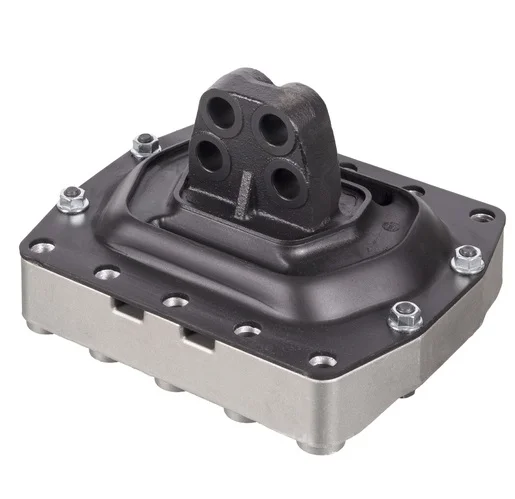
Engine mount replacement costs consist of three components
Parts cost
Common rubber mounts: Relatively affordable.
Hydraulic mounts/damped structures: Higher cost, and typically require replacement if leaking.
Recommendation: When requesting quotes, insist the provider clearly specify “Genuine/OEM/Aftermarket” and “Hydraulic/Solid Rubber/Active” components. Failure to do so can result in price differences exceeding 100% for the same “engine mount replacement cost.”
Labor Cost
The core variable for labor isn’t “whether to replace,” but “how difficult it is to replace.” Some mounts are easily accessible, taking around 30 minutes. Others are buried near the engine bay or subframe, requiring removal of obstructing components, which can take 2 hours or longer.
Some repair shops provide a vehicle-specific range of 1–5 hours, determined by the vehicle’s structure and the complexity of disassembly/reassembly.
Additional Items and Hidden Costs
Simultaneous Replacement: On some models, if one side fails, the other is nearing end-of-life. Replacing them separately may incur “double labor charges.”
Related Repairs: Exhaust joints, hoses, half-shafts, or suspension limiters may show abnormal wear due to bracket failure and require concurrent attention.
Diagnosis and Re-inspection: Noise issues aren’t always caused by mounts. If the root cause isn’t identified, vibration or noise may persist after replacement.

7 Key Factors Determining the Cost of Engine Mount Replacement
Vehicle Layout: Front-engine, transverse-mounted layouts are typically easier to work on; longitudinal/AWD layouts and compact models demand more labor hours.
Number of Mounts: Typically 3–4 mounts. Replacing only one faulty mount may not be cost-effective (depending on service life and labor structure).
Mount Type: Performance-wise, hydraulic/active mounts > standard rubber mounts (may incur higher part costs and labor).
Accessibility: Requires lifting the engine, detaching the subframe, removing skid plates/air intakes/electrical brackets, etc.
Corrosion and aging: Seized bolts or deteriorated bushings can significantly increase labor time.
Labor rates: Vary widely between shops in the same city; dealerships typically charge more than independent repair shops.
Misdiagnosis: Mistaking suspension noise for mount issues, or attributing mount problems to ignition/injection faults, leads to redundant expenses.
How to Quickly Estimate Your Engine Mount Replacement Cost
Total Cost ≈ (Bracket Unit Price × Number of Replacements) + (Labor Hours × Hourly Rate) + Additional Items
For “labor hours,” use this rule of thumb: Upper mounts are easier to replace, while lower/subframe-mounted ones take longer. Poor accessibility can push a single mount removal/installation to “2+ hours.”
If the repair shop cannot justify “why so many labor hours,” request a detailed disassembly list (which components must be removed, whether the subframe needs lowering). This usually reveals whether the quote is reasonable.
Typical signs of a failed engine mount
Assessing reliability through both “driving experience” and “mechanical risk” dimensions:
Noticeably increased idling or startup vibration, heightened resonance, and elevated cabin noise.
A distinct “clunk/impact sensation” during acceleration, throttle release, or gear shifts. (Bracket failure increases engine oscillation amplitude)
Risk-Related Signs (Requiring Immediate Attention)
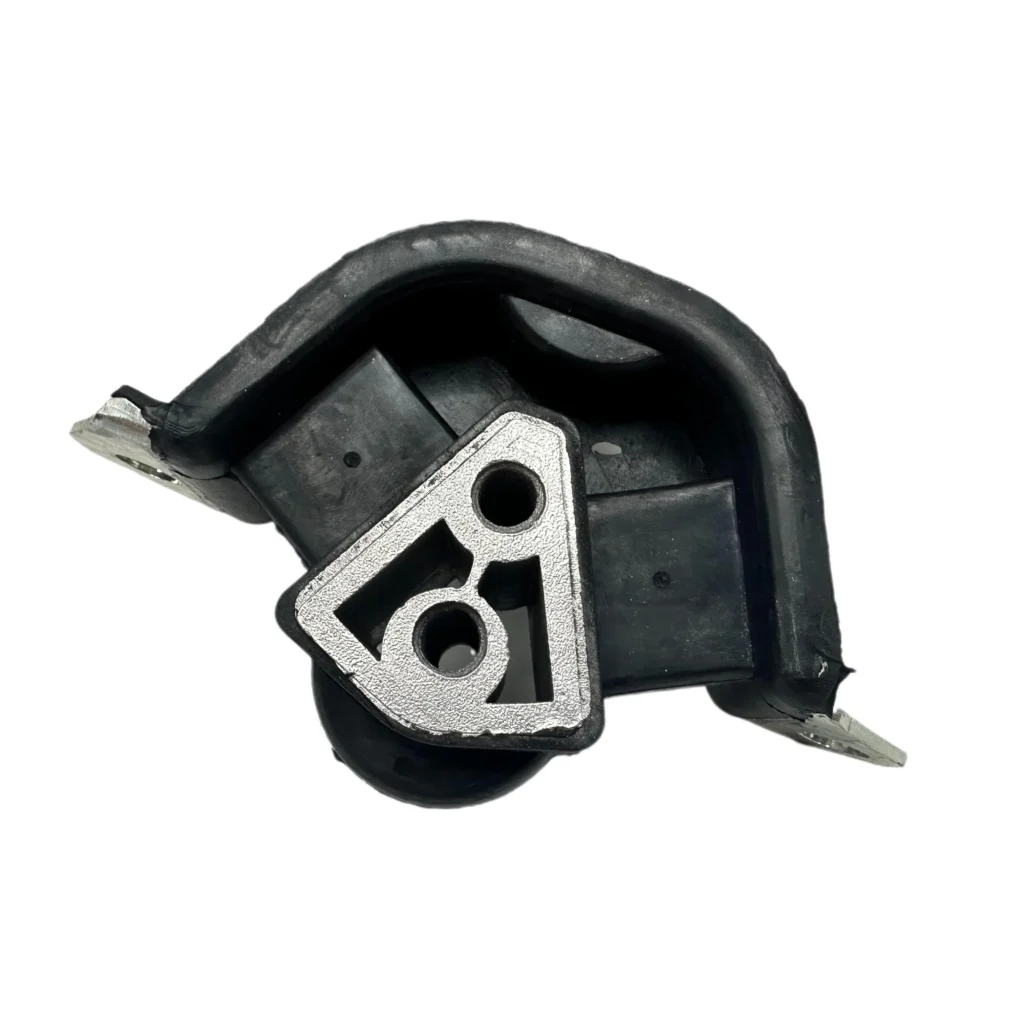
Hydraulic mount leakage/oil seepage (generally irreversible deterioration).
Noticeable abnormal noises (knocking/clunking) indicating the engine may be “contacting limit switches or surrounding components.”
Strategy to transform “repair costs” into “lower long-term total costs”
Prioritize thorough diagnostics: Vibration/abnormal noise may originate from mounts, ignition, suspension, half-shafts, exhaust mounts, etc. Locate the source before replacing parts to avoid repeated costs from “replacing but still vibrating.”
Determine whether to replace individual components or entire assemblies based on “lifespan and labor cost structure”: If disassembly/reassembly paths are identical and labor costs dominate, replacing entire assemblies is often more cost-effective.
Focus on “vibration isolation performance matching” for mounts: Many replacements aren’t due to poor quality, but mismatches between load, excitation frequency (engine RPM-corresponding frequency), and target isolation efficiency—leading to long-term overload or resonance. When selecting mounts, clearly define “load, excitation frequency, and target isolation/transmission ratio.”
Evaluate warranty and traceability: Mounts are functional components. Focusing solely on unit price without considering warranty/consistency often results in higher total costs.
Summary
If your focus extends beyond merely “engine mount replacement costs” to reducing vibration, noise, and failure rates at the source, we recommend elevating the issue to an “engineering selection of the vibration isolation system.” A more reliable engineering approach involves: first confirming the actual load at each point, then identifying the excitation frequency corresponding to the minimum operating speed, and finally defining your desired vibration isolation efficiency/allowable transmission rate. Matching should be completed by considering installation space, oil resistance, temperature tolerance, and service life requirements.
For equipment manufacturers, generator/compressor/pump valve system integrators, maintenance providers, and overseas OEMs, mounts and are not “universal components.”Simply provide load distribution, speed range, mounting method, and environmental conditions (oil contamination, temperature, corrosion, etc.), and we will deliver a more actionable solution: from bracket type recommendations and prototype validation to batch consistency control. This shifts the “replacement cost” to “getting the selection right the first time,” reducing hidden costs associated with downtime and rework.
FAQ
How much does it cost to replace engine mounts?
Typically consists of parts + labor. Common estimates in North America range from $607–747, but vehicle model, mount type, and accessibility can significantly impact costs.
How long does engine mount replacement typically take?
Varies greatly. Easily accessible mounts may take around 30 minutes, while deeply recessed or those requiring removal of shielding components can take up to 2 hours or longer.
Can I still drive with worn engine mounts?
Short-term driving may be possible, but vibration and impact will accelerate wear on surrounding components. If you notice hydraulic mount oil leaks, loud abnormal noises, or noticeable powertrain displacement, prompt repair is recommended.
What are the symptoms of a faulty engine mount?
Common signs include increased idle vibration and noise, along with “clunking” impacts during acceleration or gear shifts. Severe cases may involve knocking noises or hydraulic mount fluid leaks.
Is it more cost-effective to replace one engine mount or all of them?
Consider two factors: the wear level of the remaining mounts and whether installation paths overlap (labor hours can be reused). When labor costs dominate, replacing all mounts at once may reduce overall expenses.
Is there a significant difference between OEM and aftermarket engine mounts?
Differences typically lie in rubber compound formulation, damping characteristics, and consistency control (affecting vibration isolation effectiveness and lifespan). Before purchasing, verify material composition, structural type (hydraulic/rubber), and warranty terms.
Must a leaking hydraulic engine mount be replaced?
Replacement is usually necessary. Leakage indicates uncontrollable internal damping and support characteristics, often amplifying vibration and abnormal noises.
Why does engine vibration persist after replacing mounts?
Common causes include: the root cause lies elsewhere (ignition/suspension/drive shaft/exhaust mounts, etc.), other mounts have also aged, or the mount selection causes resonance/insufficient vibration isolation.
Can engine mount replacement be done as a DIY project?
Not recommended without proper equipment and experience. Supporting the engine, managing forces, and controlling torque pose safety risks. It’s safer to have a professional technician perform the replacement and conduct a re-inspection.
How can I reduce the cost of repeatedly replacing engine mounts?
The key lies in “matching.” At a minimum, clearly define the point load, minimum operating frequency (rotational speed), target vibration isolation efficiency, and environmental conditions. Then select the appropriate bracket type and parameter range to avoid overload and resonance.
