
What is Rubber to Metal Bonding?
Rubber to Metal Bonding, commonly referred to as “rubber overmolding” or “rubber vulcanized bonding to metal,” involves processes such as surface treatment + bonding systems (primer/topcoat) + compression molding and vulcanization. This creates a high-strength, long-term stable bonded interface between rubber and metal substrates. The end result is rubber-metal bonded parts, such as vibration damping bushings, engine mounts, isolation pads, roller overmolds, and integrated sealing/damping components.
Functionally, it addresses more than just “sticking two materials together.” It ensures components maintain an intact bond and stable performance under demanding conditions like vibration, impact, fatigue, thermal cycling, and exposure to oils/salt spray.
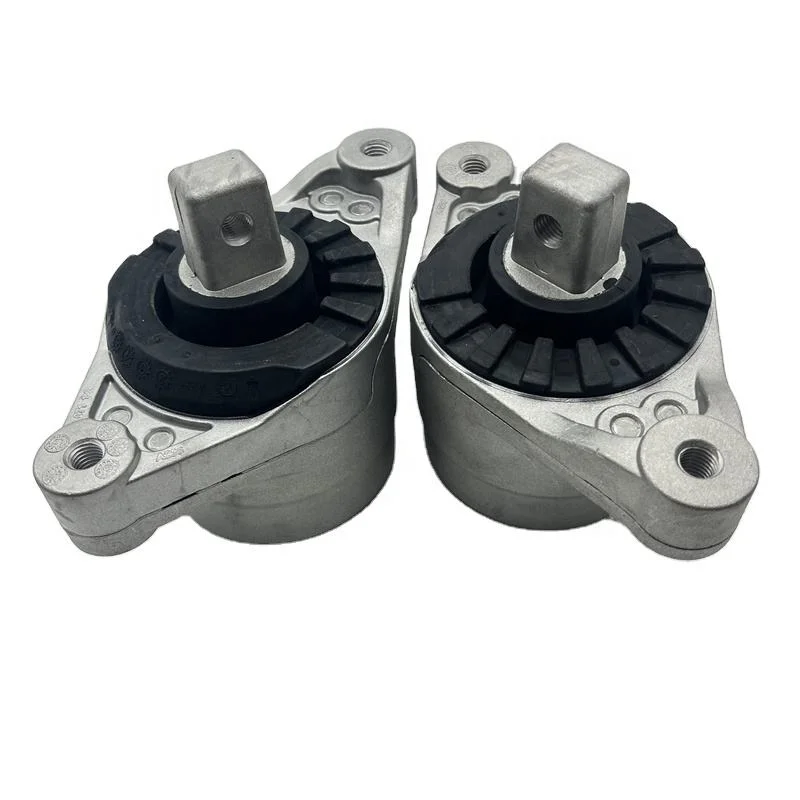
Why is Rubber-to-Metal Bonding critical in industrial components?
1) Integrates rubber’s “damping/vibration isolation/sealing” with metal’s “strength/rigidity/connection” into a single part, reducing assembly complexity and potential failure points.
2) More stable NVH performance: Under identical structures, bonded composite parts offer more controllable energy dissipation and positioning.
3) Long-term reliability is easier to validate through engineering testing: Fatigue, peel/pull-off, and thermal aging tests transform “perceived reliability” into “data-backed reliability.”
Typical Application Scenarios
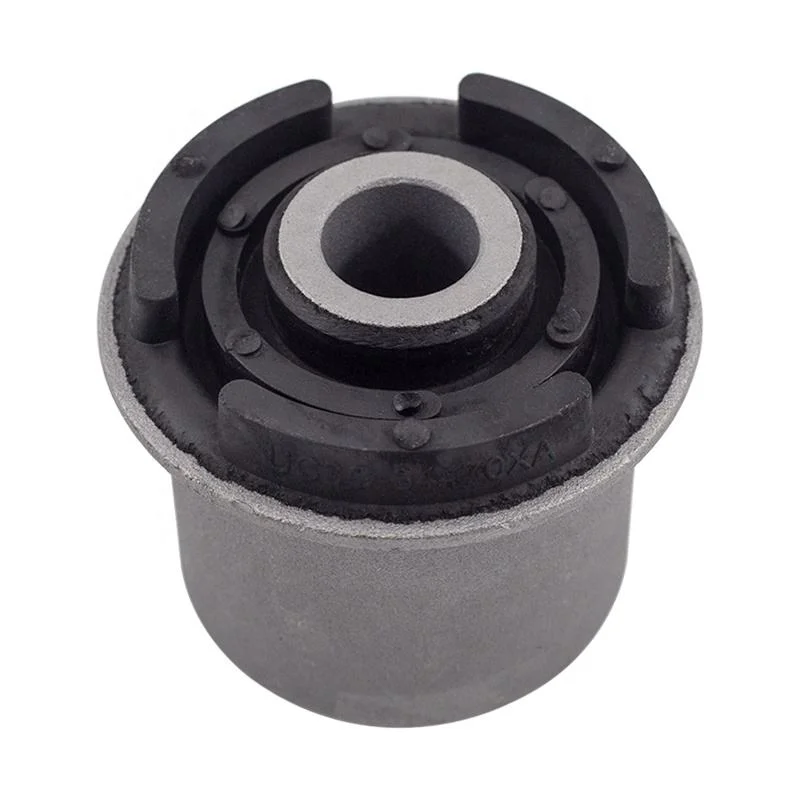
1) Vibration Isolation & Damping: Rubber-to-metal bonding mounts, vibration isolation pads, rail transit/construction machinery damping components.
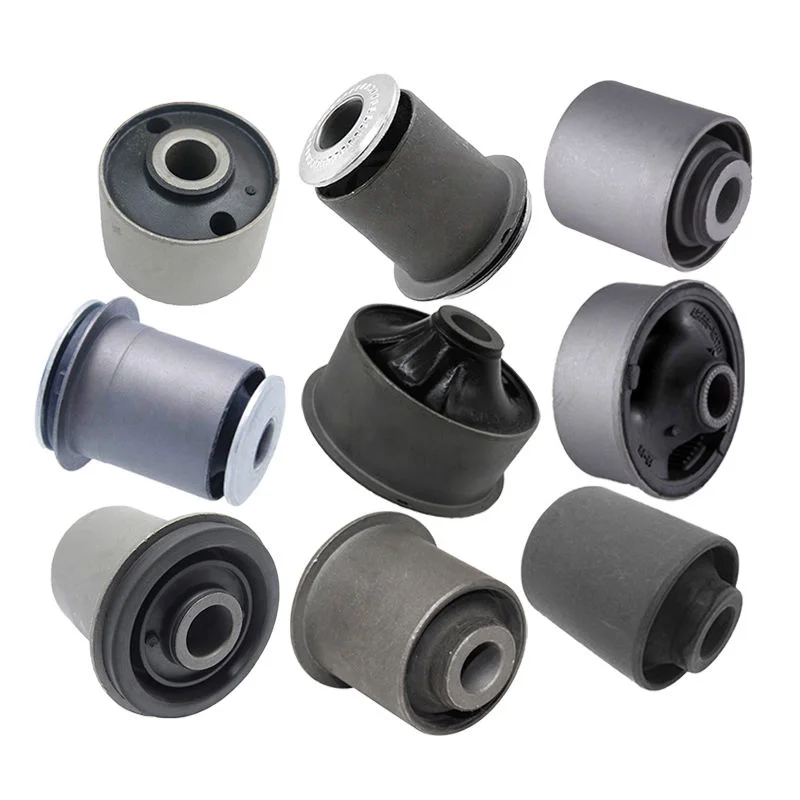
2) Connections and Positioning: Rubber-to-metal bushings, buffer stops, metal-reinforced seals.
3) Rubber-coated wear resistance: Rollers, guide wheels, and coated pressure rollers (focusing on wear resistance and media resistance).
4) Fatigue-Resistant Structures: Structural components subjected to cyclic loading (focus on bonding fatigue and interface aging).
Rubber-to-Metal Bonding Process
If you’re searching for “how to bond rubber to metal,” the most critical conclusion is: what truly determines bond strength and lifespan is often “surface and process control,” not “the adhesive brand.”
Metal Substrates and Pre-Treatment
Common substrates: carbon steel, stainless steel, aluminum alloys, etc. Key steps typically include:
Degreasing and cleaning: Removing oil, wax, and rust-preventive coatings (residual oil films cause “false bonding” at the interface).
Roughening treatment: Sandblasting/shot blasting to create appropriate surface roughness, enhancing mechanical interlocking and coating adhesion.
Chemical conversion/anti-corrosion primer (depending on conditions): Enhances salt spray resistance and interfacial corrosion protection.
Drying and contamination prevention: Moisture, fingerprints, and dust significantly reduce bonding strength.
Bonding Adhesive System
Industrial bonding systems commonly use a “primer/topcoat” approach, tailored to different rubber formulations and substrates. Key considerations include:
Controllable coating thickness and uniformity (too thin is insufficient, too thick is prone to brittle cracking).
Coating drying and open time (exceeding limits or incomplete drying creates hidden defects).
Compatibility with rubber formulations: Bonding systems vary significantly for NR, NBR, EPDM, CR, FKM, etc.
Molding and Vulcanization
Common molding methods: compression molding, injection molding, transfer molding, etc. Key process control points:
Mold venting and flow: Prevent porosity, undercuring, scorching, and minimize interface defects.
Vulcanization temperature/time/pressure: Directly impacts interfacial reactions and rubber crosslinking state.
Secondary Vulcanization/Post-Treatment (as required): Enhances heat resistance, chemical resistance, or compression set performance.
Subsequent Corrosion Prevention and Assembly Control
Many delaminations are not “bonding failures” but result from corrosion propagating along interfaces during service. For high-humidity, salt spray, or outdoor environments, the following are typically required:
Corrosion protection design for exposed metal areas (plating/coating/sealing boundaries).
Edge transitions and chamfers: Reduce stress concentration and “peel-induced cracking.”
Transportation and assembly protection: Prevent coating scratches and oil contamination.
7 Key Variables Determining Bond Strength and Lifespan
1) Rubber compound and hardness: Performance can vary significantly across different rubber compounds within the same bonding system.
2) Metal surface cleanliness: This is the most common yet often overlooked root cause of failure.
3) Roughness window: Higher roughness isn’t always better; excessive roughness may cause stress concentration and inadequate coating coverage.
4) Bonding Coating Thickness and Curing Condition: Determines initial strength and durability.
5) Vulcanization Profile: Under-curing or over-curing can compromise both interfacial and bulk properties.
6) Structural edge design: 90° sharp corners are frequent initiation points for delamination cracks.
7) Service environment: Oils, coolants, ozone, UV exposure, and salt spray alter both the interface and the rubber substrate.
Common Rubber-to-Metal Bonding Failures and Rapid Troubleshooting
1) Adhesive failure: Often related to cleanliness, coating process, or open time.
2) Cohesive failure: Indicates strong interface bonding, but failure occurs due to exceeding the strength/formulation limits of the core material or operating conditions.
3) Edge Crack Progression: Often linked to structural sharp corners, stress concentration, or corrosion advancing along the interface.
4) Sudden strength decline after thermal aging: Insufficient heat resistance in formulation, improper post-vulcanization strategy, or incompatible coating system.
5) “Bubbling and delamination” after salt spray/humidity exposure: Commonly seen in inadequate corrosion protection systems and boundary seal designs.
How Procurement and Engineering Should “Clearly Specify Requirements” During Quotation/Prototyping
If your goal is stable volume production rather than merely “acceptable samples,” we recommend breaking requirements into four categories:
1) Function & operating conditions: Load spectrum (static/dynamic/impact), temperature range, media (oil/water/salt spray), service life target.
2) Material Specifications: Metal grade and surface finish, rubber type and hardness (Shore A), critical properties (oil resistance/ozone resistance, etc.).
3) Interface and Appearance: Permissible adhesive exposure/oozing, edge treatment, corrosion protection requirements for exposed metal areas.
4) Verification Methods: Peel/pull-off/shear tests, retention rate after thermal aging, interface performance after salt spray exposure, delamination after fatigue cycles, etc.
How to Conduct Quality Validation
The common validation approach combines “initial strength + environmental aging + fatigue endurance”:
Initial Bond Strength: Peel/Pull-off/Shear (method selected based on structure).
Environmental durability: Re-test strength and appearance after thermal aging, humidity/heat exposure, media immersion, or salt spray testing.
Dynamic Fatigue: Monitor cracks, displacement, stiffness changes, and debonding risk under cyclic loading.
Process Consistency: Incoming material inspection, surface roughness/cleanliness control, coating thickness and curing window, vulcanization curve documentation.
For vibration isolation/damping components, maximizing bond strength alone isn’t always optimal. What matters more is whether performance and interface lifespan are simultaneously satisfied within target temperature and frequency ranges.
Transform our experience into criteria you can use to evaluate suppliers
1) Experience: Can the supplier provide real-world application cases, failure analysis, and improvement records? Can they furnish sample verification data (desensitization data is acceptable)?
2) Expertise: Can they explain the rationale behind material and process selection, rather than just quoting prices? Can they clearly articulate the ” “?
3) Authoritativeness: Do they possess systematic quality management and industry certifications (e.g., IATF16949, ISO9001), and can they take responsibility for inspection and traceability?
4) Trustworthiness: Are drawings/versions/batches traceable? Can process records be provided? Is there an 8D/closed-loop mechanism for anomalies?
Summary
If you’re seeking a reliable Rubber-to-Metal Bonding supplier, shift your focus from “what adhesive is used” to “long-term adhesion retention and batch consistency.” Vista Motion offers integrated delivery from metal part manufacturing (machining/sheet metal/casting, etc.) through surface treatment, rubber overmolding/curing bonding, to bond strength and fatigue endurance validation.Operating under IATF16949 and ISO9001 systems, we emphasize process traceability and proactive risk management. Simply provide drawings, operating conditions, and lifespan targets. We validate feasibility through prototyping and data-driven testing, transforming “feasible” into “mass-producible and deliverable.” For evaluations, we can start with prototyping and key test protocols to rapidly identify optimal materials and process windows.
FAQ
What distinguishes Rubber-to-Metal Bonding from conventional adhesive bonding?
A: Industrial rubber-to-metal bonding typically occurs during compression molding and vulcanization, relying on surface treatment and primer/topcoat systems to form a stable interface. Conventional adhesives are primarily room-temperature bonding agents, often lacking sufficient durability and consistency under high-fatigue, high-temperature, or corrosive conditions.
How to bond rubber to metal: What is the most critical step?
Answer: Metal surface cleaning and roughening (degreasing + sandblasting/shot blasting + preventing secondary contamination) are typically decisive factors. Many “delamination” root causes stem from interface defects due to oil films, moisture, or dust.
How should one select a rubber-to-metal bonding adhesive?
Answer: It must match the rubber compound (NR/NBR/EPDM/CR/FKM, etc.), metal substrate, and operating conditions (oil resistance, heat resistance, salt spray resistance). Selection should be based on verified sample test data, not solely on product specifications.
Why do samples bond well but batches often fail?
Answer: Batch variations often stem from process window inconsistencies: surface roughness/cleanliness variability, coating thickness and drying time, open time exceeding limits, curing curve drift, mold venting differences, etc.
What are the most common types of rubber-to-metal bonding failures?
Answer: The three most typical failures are interfacial delamination (often related to pretreatment/coating processes), rubber cohesive failure (due to material properties or operating conditions exceeding limits), and edge cracking propagation (driven by structural stress or corrosion).
Can stainless steel/aluminum alloys also achieve rubber-to-metal bonding?
Answer: Yes, but challenges are more concentrated in surface treatment and system compatibility. Stainless steel requires greater focus on surface activation and cleanliness control, while aluminum alloys demand stricter management of oxide films and corrosion-resistant boundaries, typically necessitating more rigorous process validation.
How can we verify long-term reliability of bonding, rather than just high initial strength?
Answer: We recommend “post-aging retesting”: Re-evaluate bond strength after thermal aging, humid heat exposure, media immersion, or salt spray testing. Additionally, incorporate fatigue cycle testing to monitor for interfacial cracking and performance drift.
Does rubber hardness affect bonding?
Answer: Yes. Hardness changes often accompany formulation adjustments and stress distribution shifts, potentially affecting interfacial stress and cohesive strength. Higher hardness isn’t inherently superior; comprehensive selection based on load spectrum and deformation requirements is essential.
How can design reduce debonding risk?
Answer: Avoid sharp corners and weak edges; incorporate appropriate chamfers/radius transitions; control the boundary shape between rubber and metal; prevent corrosion propagation along interfaces; and minimize peel-type stresses at critical locations (favor shear/compression stresses).
What information should I provide to suppliers during inquiries to expedite accurate solutions and quotations?
Answer: Provide drawings (including tolerances and surface requirements), metal material and surface condition, rubber type/target hardness, operating conditions (temperature/medium/load spectrum/lifespan), desired validation tests (strength/salt spray/fatigue, etc.), and annual demand volume. The more complete the information, the more stable the rubber-to-metal bonding solution and the lower the trial-and-error costs.
