
Elastomer Temperature Range Guide
The real question this article aims to answer is not “which rubber is most heat-resistant,” but rather “which elastomer will perform more reliably, last longer, and be less prone to problems down the line in your specific application and design.”
How Rubber Mounts Work
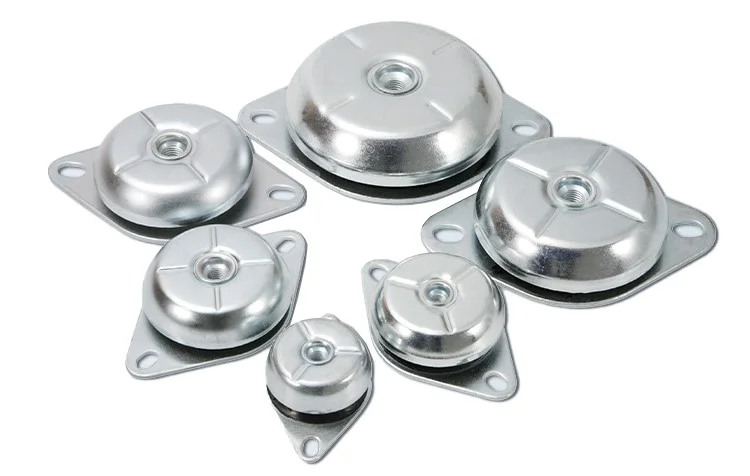
Many people know they reduce vibration, minimize noise, and absorb shocks, but when it comes to selecting the right type, a question arises: Why do some rubber mounts make a noticeable difference once installed, while others seem to do little more than “look like they’re there”?
Guide to Molded Rubber Tolerances
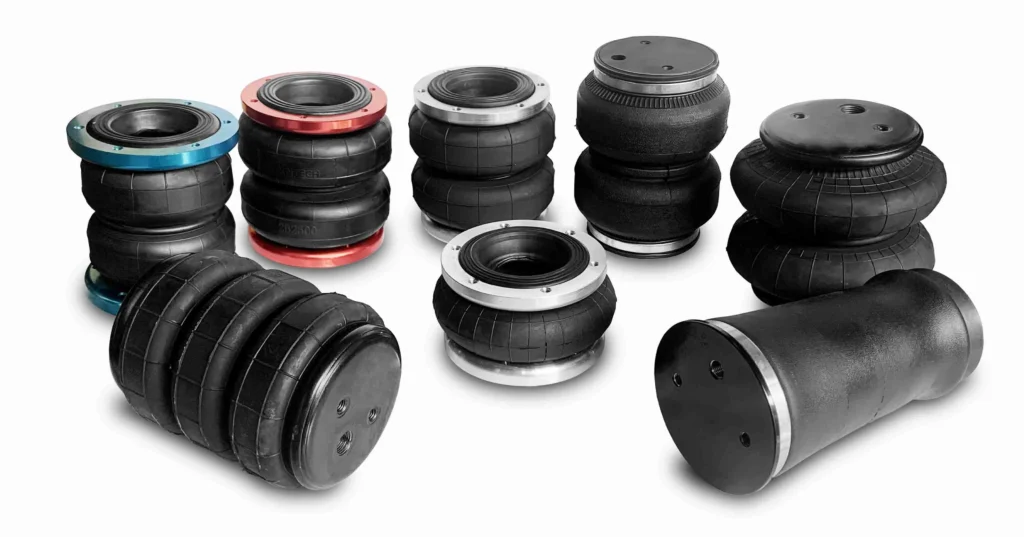
When manufacturing molded rubber parts, many issues appear on the surface to be “dimensional deviations,” but the root cause often lies not in the production process itself, but in an insufficient understanding of molded rubber tolerances during the early stages.
Rubber Types: A Complete Guide
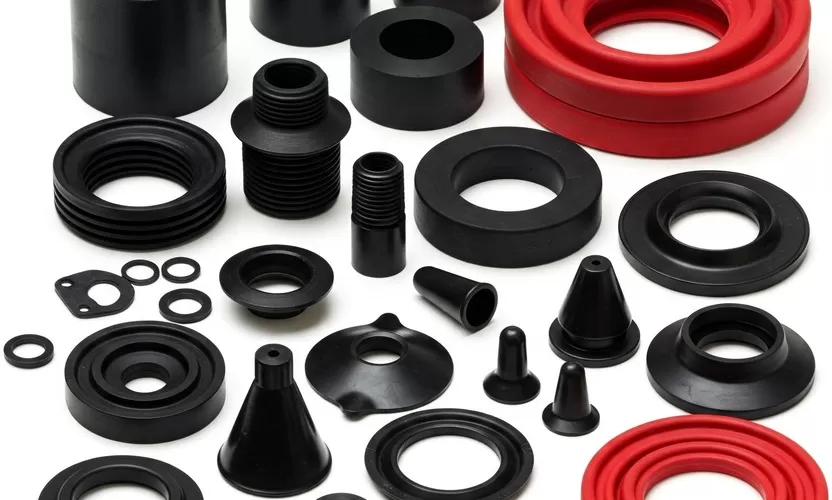
Many procurement professionals and engineers often face premature product failure or even safety incidents when selecting rubber materials due to a lack of understanding of material properties.
Natural Rubber vs. EPDM
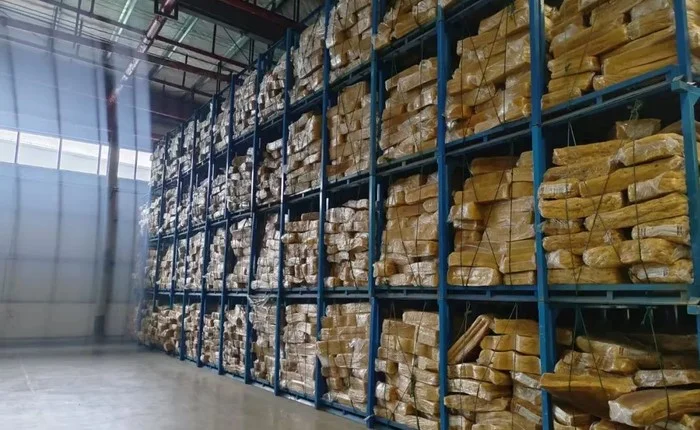
Based on real-world engineering cases and authoritative technical data, this article provides an in-depth comparison of the core performance differences between natural rubber and EPDM to help you make accurate and safe selection decisions.
Engine Mount Design Guide: Expert Practices from Concept to Manufacturing

This article presents a comprehensive engine mount design guide, drawing on practical experience from both aerospace and high-performance automotive sectors.
What is Elastomer Molding? A Complete Guide to Processes, Materials, and Applications
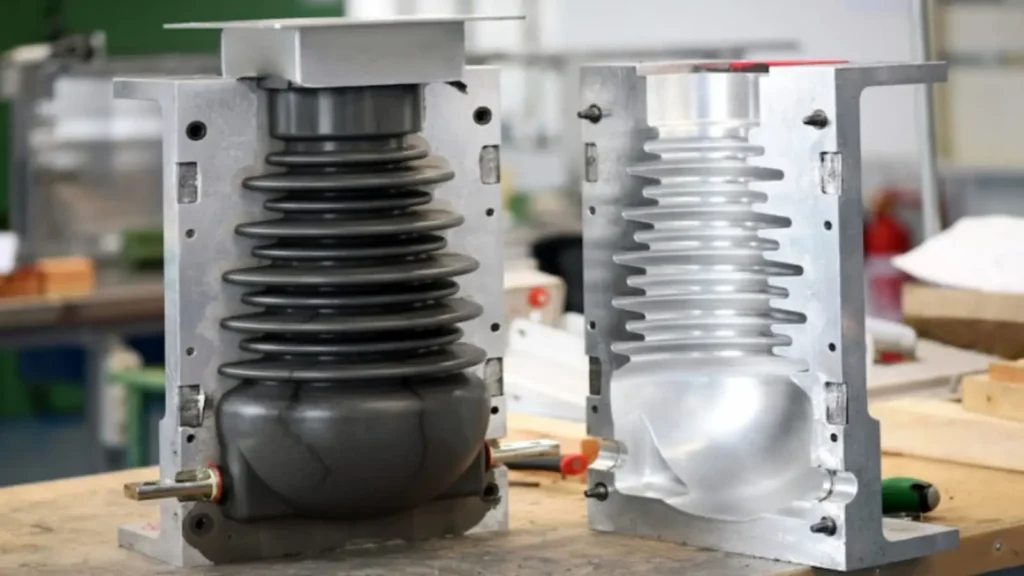
The process of transforming this high-performance polymer into precision functional components is known as elastomer molding.
Rubber-to-Metal Bonding: A Comprehensive Guide
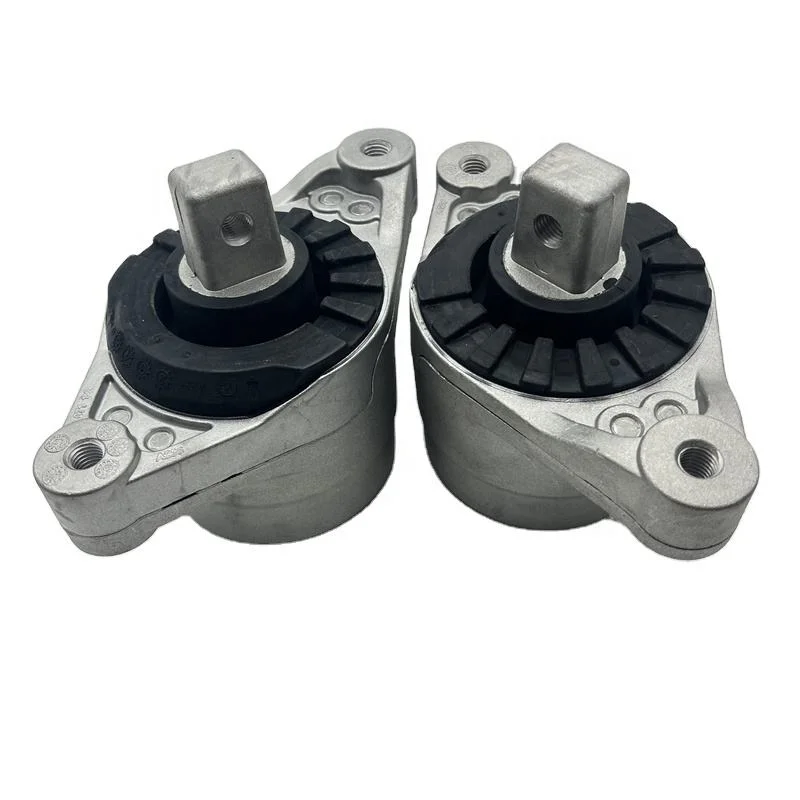
Rubber to Metal Bonding, commonly referred to as “rubber overmolding” or “rubber vulcanized bonding to metal,” involves processes such as surface treatment + bonding systems (primer/topcoat) + compression molding and vulcanization.
Rubber Injection Molding: Three Mainstream Methods and How to Select Them
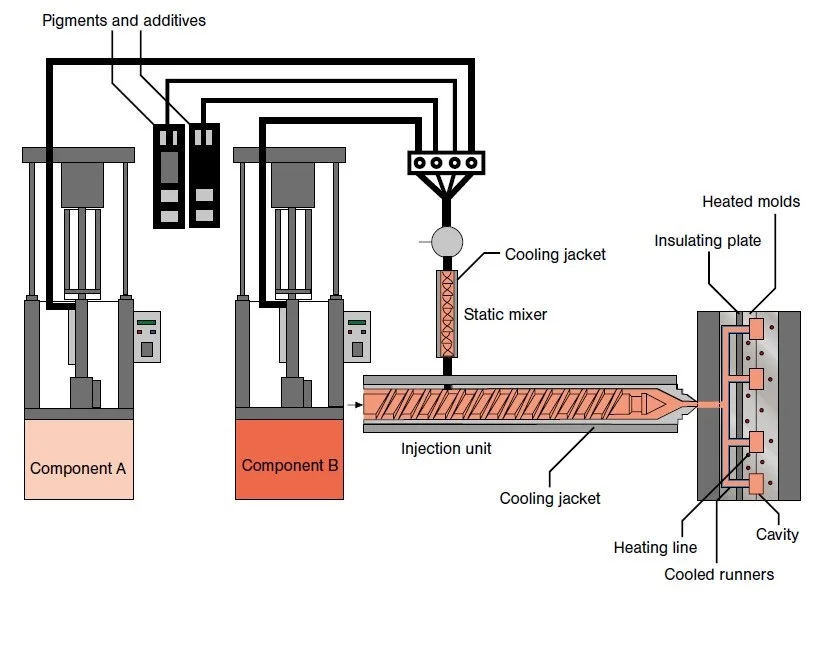
What is Rubber Injection Molding Rubber injection molding involves metering and plasticizing/mixing rubber compounds (solid rubber compounds or liquid silicone rubber) within equipment, injecting them into mold cavities, and completing vulcanization (cross-linking) and shaping through heating and pressure within the mold. The critical factor in rubber molding is not “cooling and hardening,” but achieving “complete […]
Replacing Shock Absorbers: How Much Does It Cost?
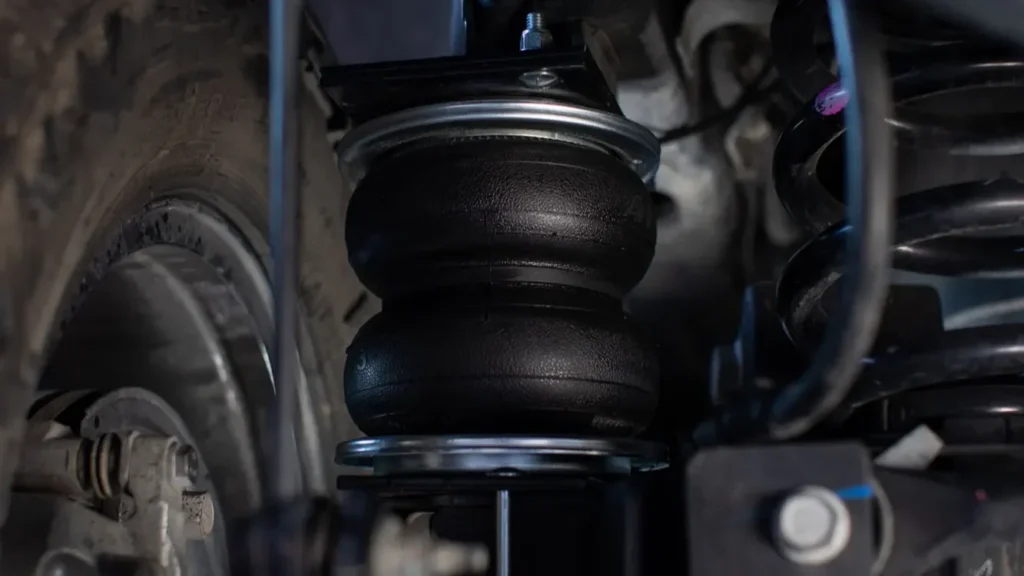
If you search “How Much Does It Cost to Replace Shock Absorbers” or “Replacing Shock Absorbers Cost,” most car owners will find themselves within two price ranges:
