
Shock Absorbing Rubber
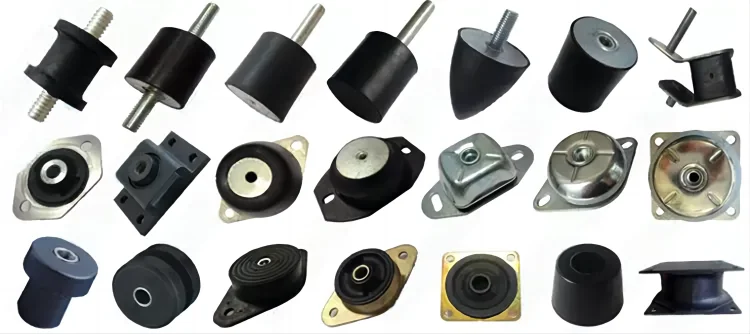
Shock-absorbing rubber achieves shock-absorbing and silencing by eliminating mechanical vibration and reducing the damage caused by impact.
What is the Reversion Resistance of Rubber?
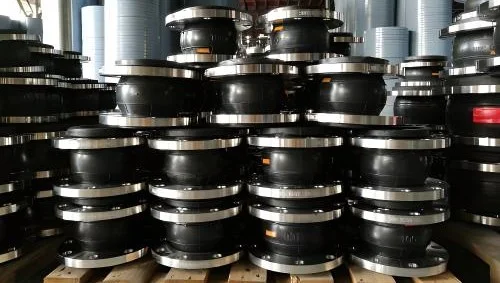
Explore how the property of rubber’s recovery resistance affects its practical applications and performance.
Automotive Rubber Products and Materials are Changing to High-Performance
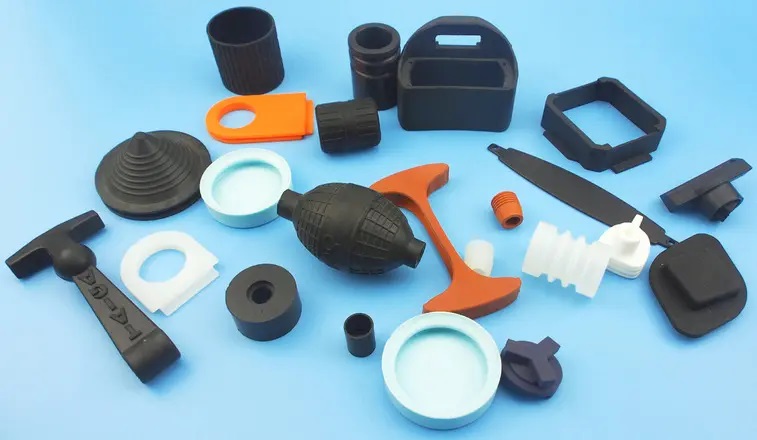
Rubber products are undergoing a revolution, analyzing the new look of the new generation of automotive rubber products and materials.
24 rubber product vulcanization problems and solutions
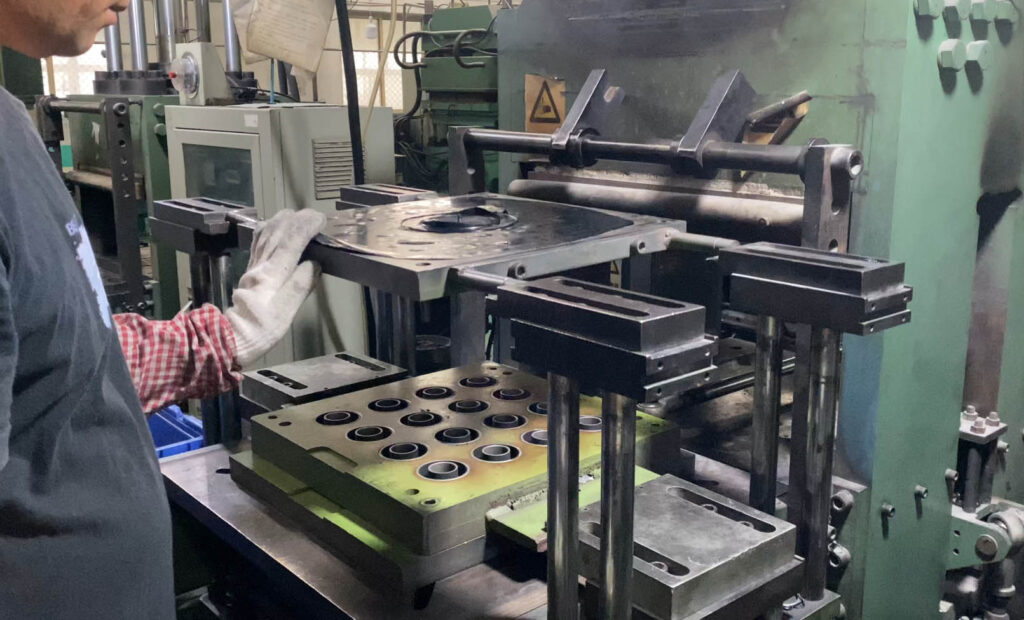
In this article, we will focus on 24 common issues encountered in the vulcanization of rubber products and provide corresponding solutions.
Common Defects of Rubber Metal Shock-Absorbing Parts, Their Causes and Countermeasures
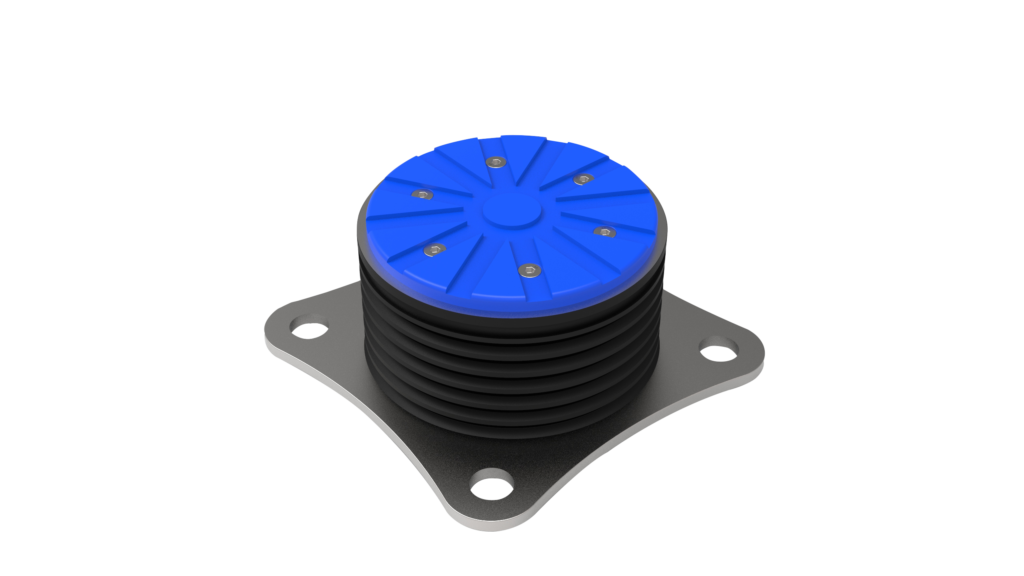
This article delves into the common defects of rubber-metal shock-absorbing parts, their root causes, and effective countermeasures.
Rubber air spring production quality issues and formula reference
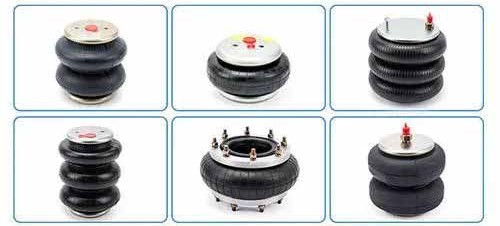
Rubber air spring is a flexible elastic closed container component that uses air compression elasticity to work.
Solutions to common problems with flat plate vulcanizers
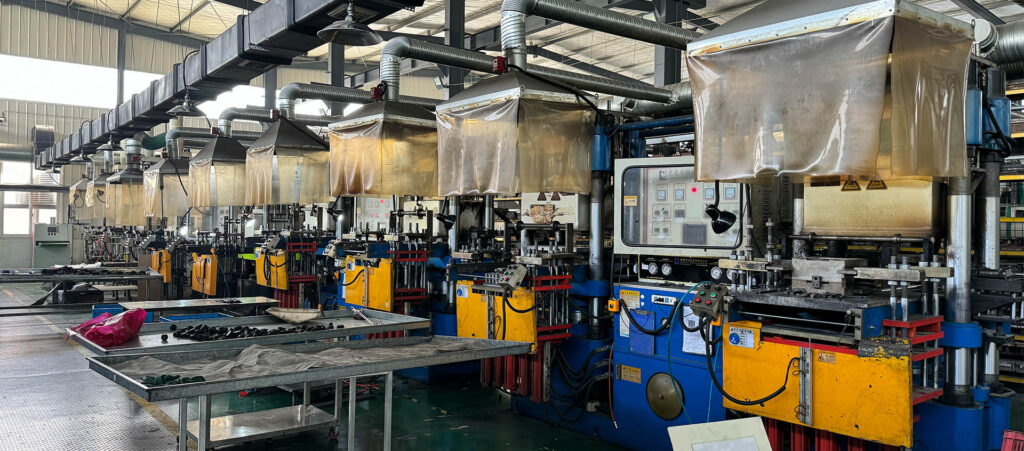
How to deal with some simple problems in the use of vulcanizing machines. Vulcanizing machines, rubber vulcanizing machines, and vulcanizing machines are priced the same as other tools.
Introduction to molding vulcanization methods and processes
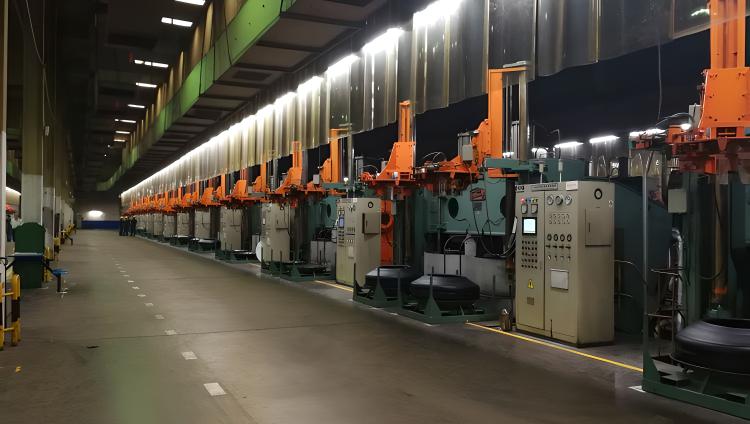
“Vulcanization” improves the performance of rubber by cross-linking rubber molecules to form a network structure.
Analysis and Prevention of Degumming Problems of Rubber Shock Absorbing Bushings
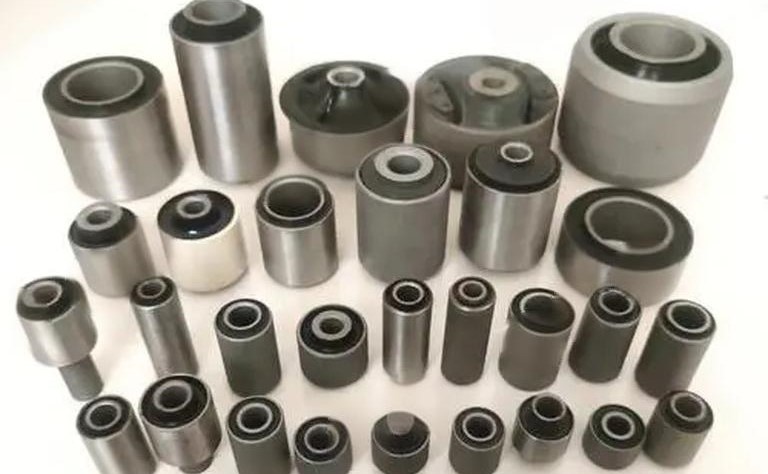
Analyze the necessary conditions to avoid degumming quality problems when bonding rubber and skeleton with adhesive.
Selection of Shock-Absorbing Rubber Types
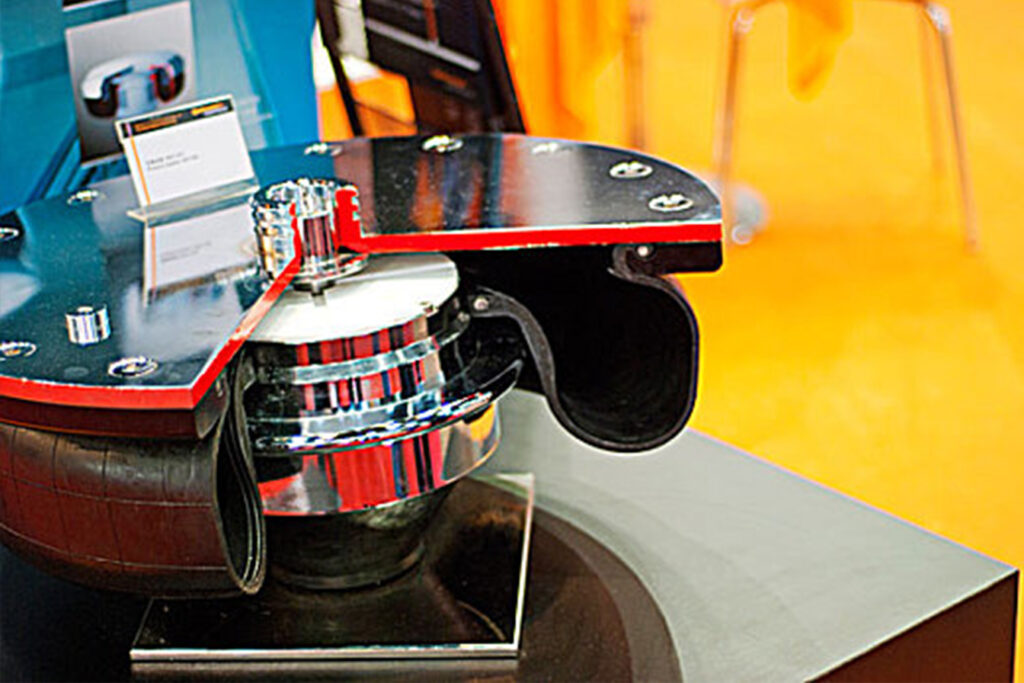
Rubber stiffness is adjusted by fillers; damping depends on molecular structure. Vulcanization impacts traits. Balance is key.
