
Engine Mount Design Guide: Expert Practices from Concept to Manufacturing

This article presents a comprehensive engine mount design guide, drawing on practical experience from both aerospace and high-performance automotive sectors.
What is Elastomer Molding? A Complete Guide to Processes, Materials, and Applications
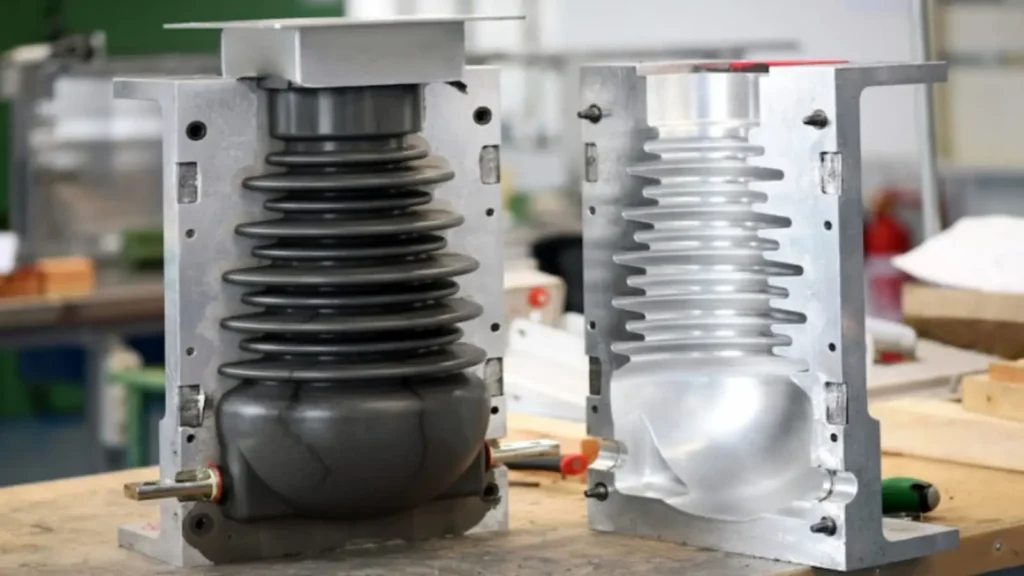
The process of transforming this high-performance polymer into precision functional components is known as elastomer molding.
Rubber-to-Metal Bonding: A Comprehensive Guide
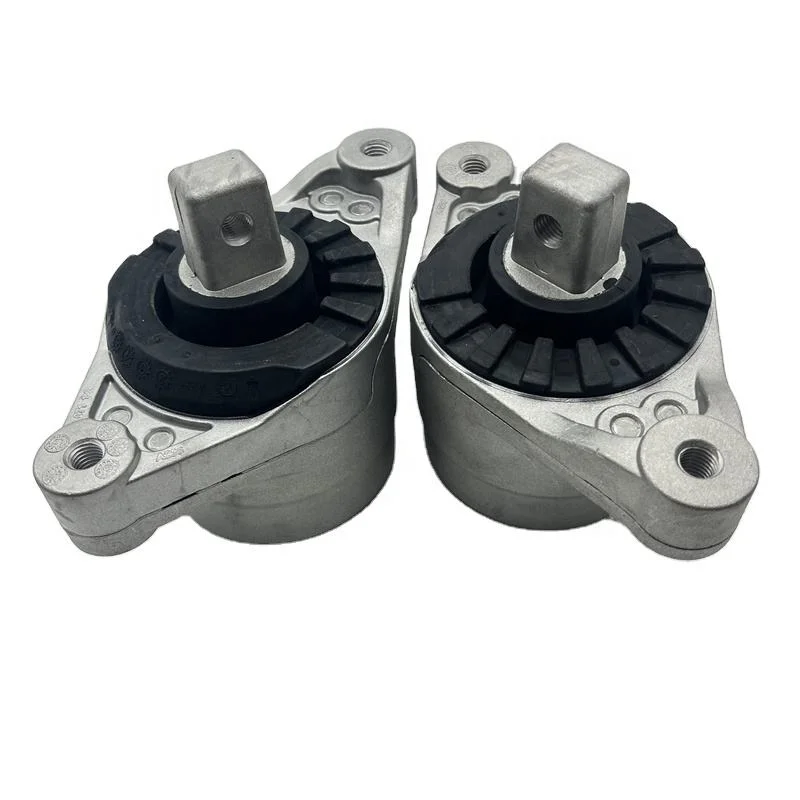
Rubber to Metal Bonding, commonly referred to as “rubber overmolding” or “rubber vulcanized bonding to metal,” involves processes such as surface treatment + bonding systems (primer/topcoat) + compression molding and vulcanization.
Rubber Injection Molding: Three Mainstream Methods and How to Select Them
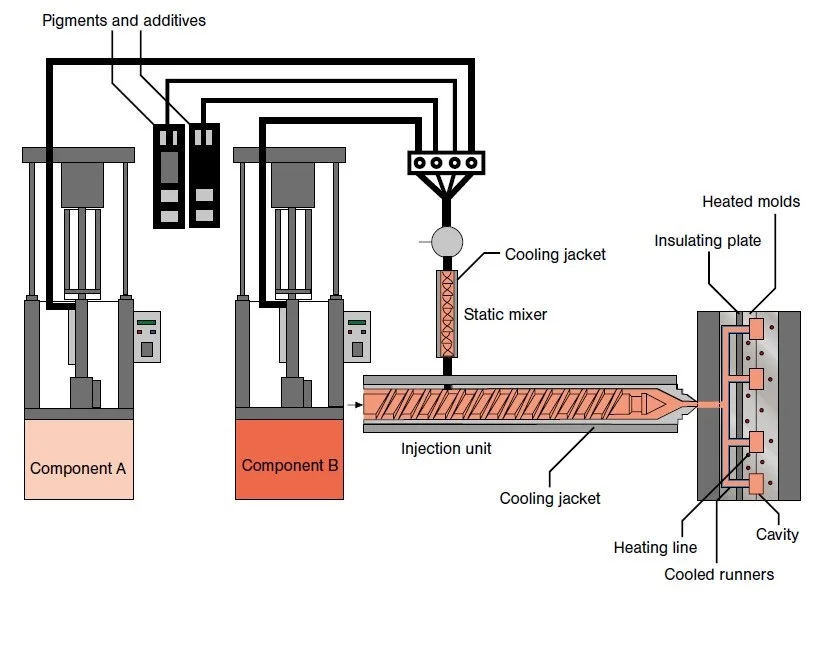
What is Rubber Injection Molding Rubber injection molding involves metering and plasticizing/mixing rubber compounds (solid rubber compounds or liquid silicone rubber) within equipment, injecting them into mold cavities, and completing vulcanization (cross-linking) and shaping through heating and pressure within the mold. The critical factor in rubber molding is not “cooling and hardening,” but achieving “complete […]
Replacing Shock Absorbers: How Much Does It Cost?
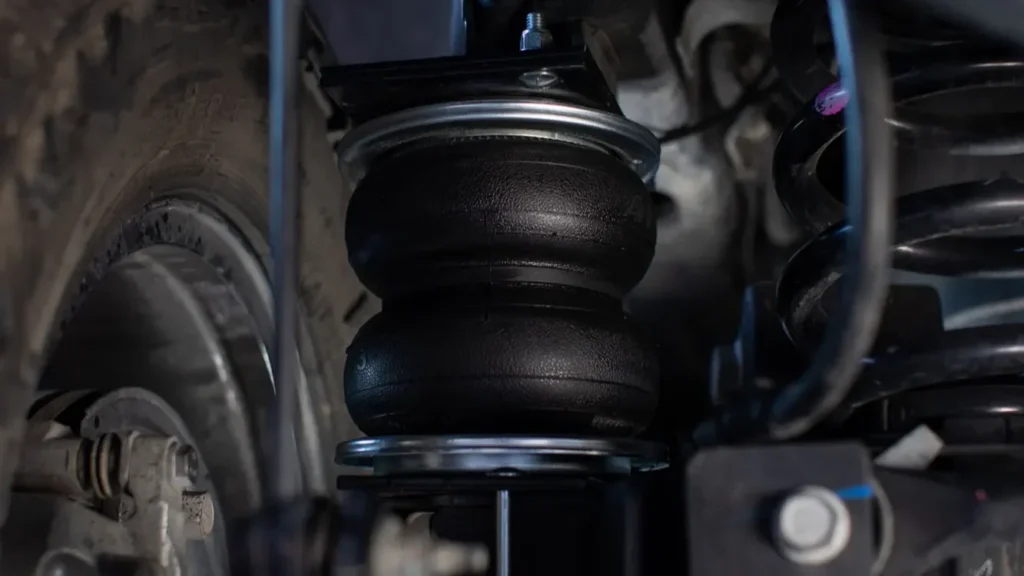
If you search “How Much Does It Cost to Replace Shock Absorbers” or “Replacing Shock Absorbers Cost,” most car owners will find themselves within two price ranges:
Strut Mount Explained: Symptoms, Replacement Cost, and More
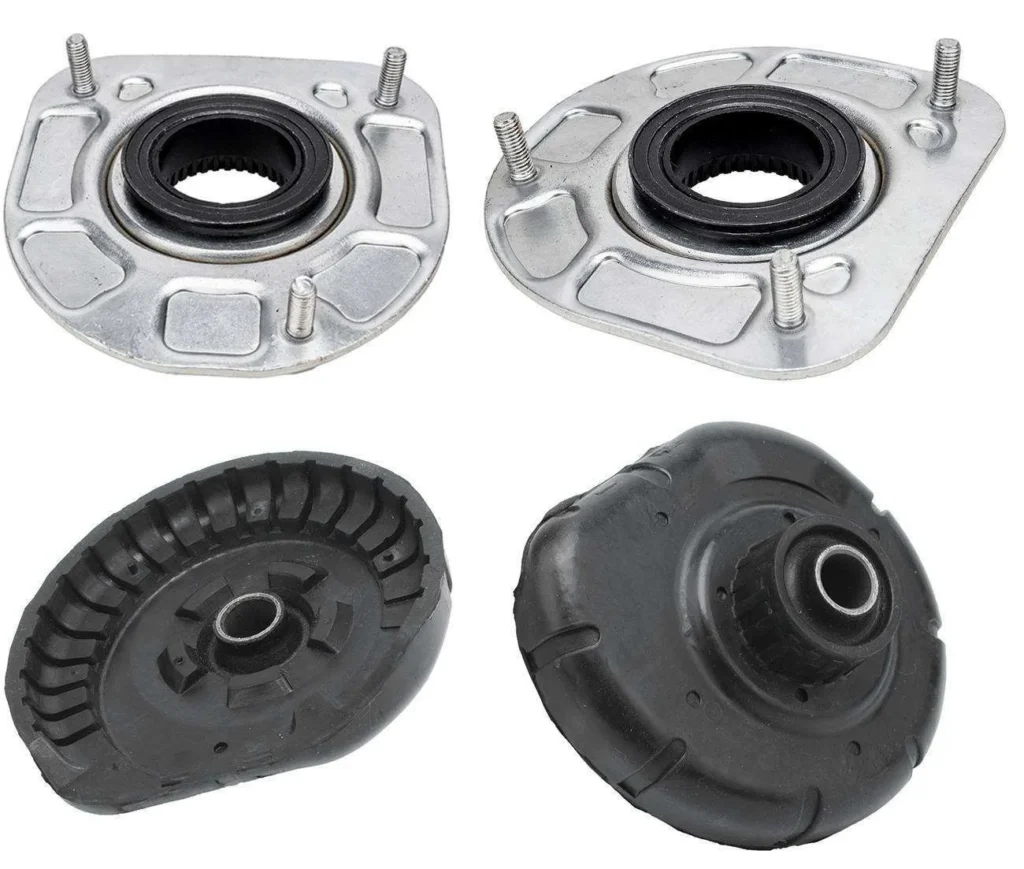
Commonly referred to as the “shock absorber top mount” or “upper strut mount,” the strut mount is installed at the top of the shock absorber strut in MacPherson strut suspensions.
What Are the Symptoms of a Bad Control Arm
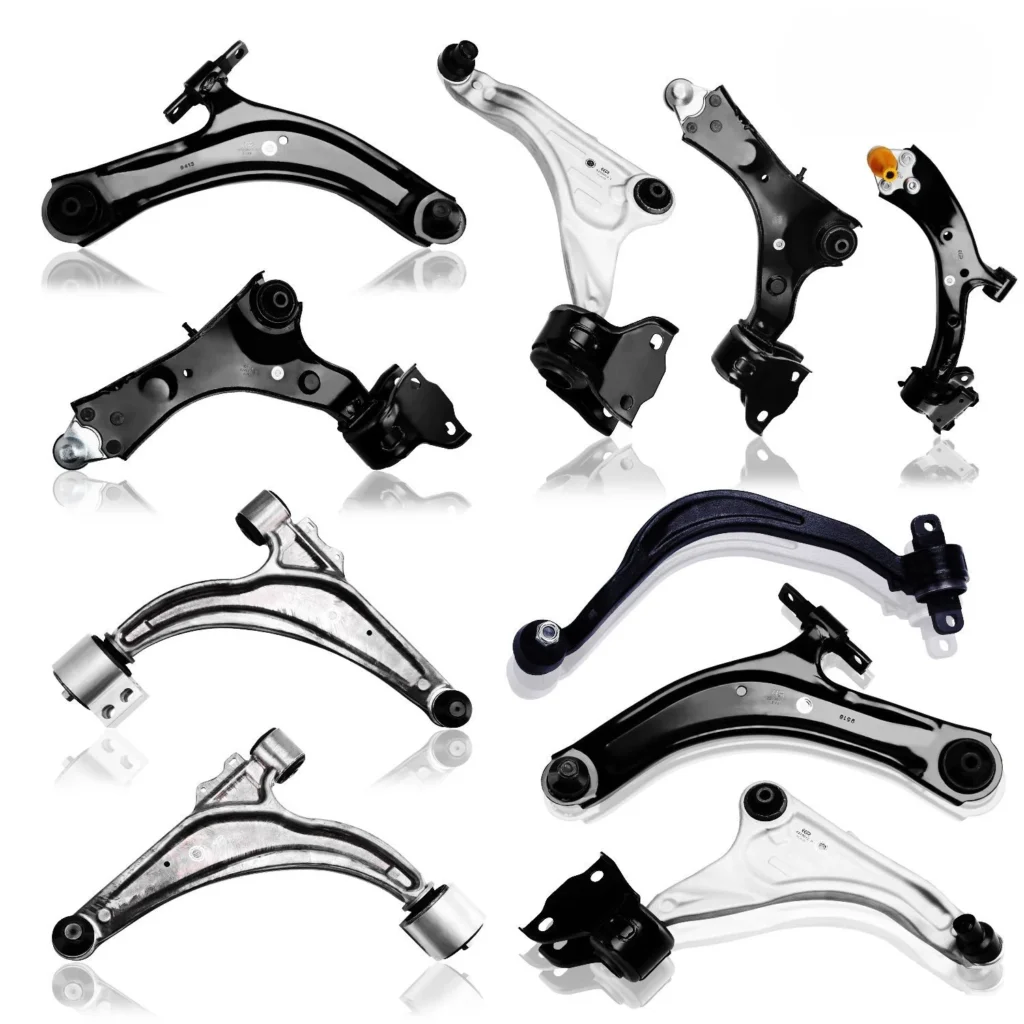
This article analyzes symptoms of faulty control arms from an engineering perspective: abnormal noises, unstable steering, steering wheel vibration, pulling to one side, uneven tire wear, and inconsistent braking. It provides a three-step troubleshooting and repair strategy for vehicle owners (replace bushings/ball joints or replace the entire assembly) to help quickly identify issues and reduce driving risks.
What Are Engine Mounts? Principles, Types, Failure Symptoms, and Selection Guidelines
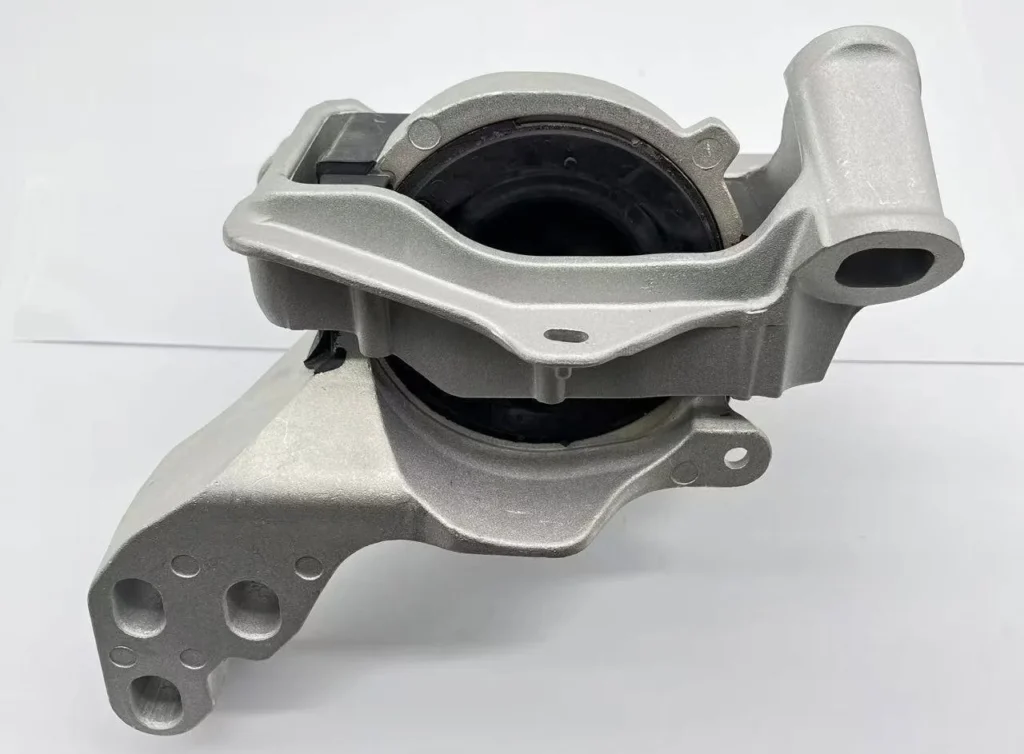
This article focuses primarily on powertrains for passenger and commercial vehicles, while also providing a universal logic for selecting “engine vibration isolation mounts” for construction machinery, generator sets, and similar applications. It does not replace specific vehicle repair manuals or OEM specifications.
Cost of Replacing Engine Mounts
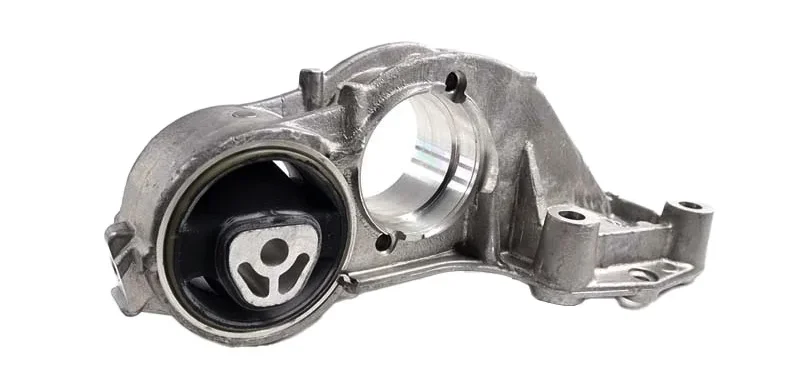
This article systematically breaks down the components of “engine mount replacement cost” (parts + labor + additional items), providing common price ranges, differences across vehicle models/mount types, how to determine if replacement is necessary, and key selection and procurement points for equipment/OEMs. This helps you allocate funds to the aspects that “truly resolve vibration issues.”
Suspension Bushing Wear Issues
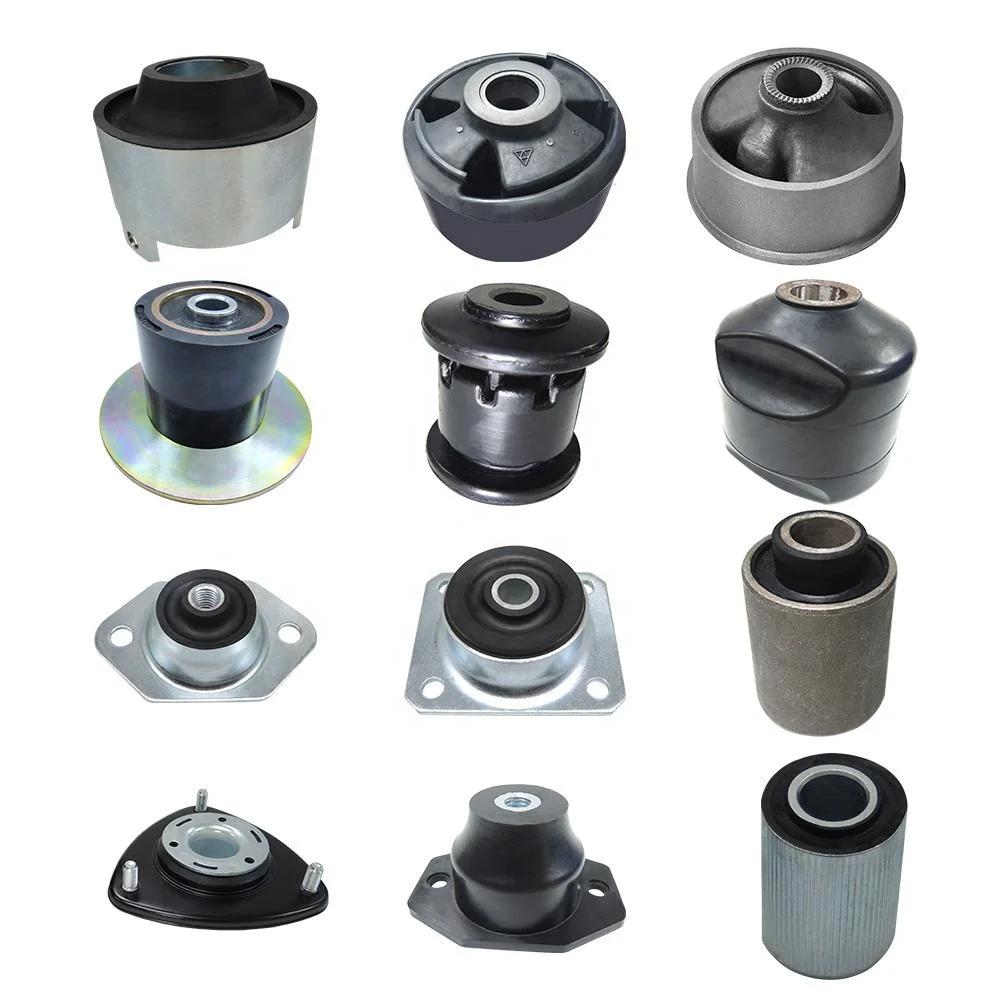
Within the chassis system, the function of suspension bushings is not to “support weight,” but rather to isolate vibrations, absorb impacts, and maintain suspension geometry stability under dynamic loads through controlled elasticity and damping.
