
What Are All the Parts of a Car Suspension?
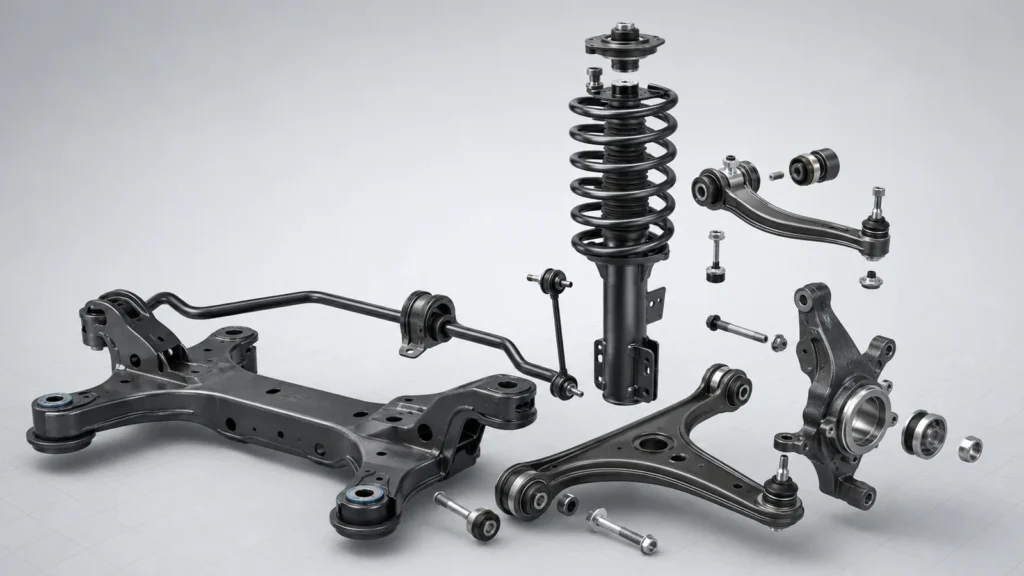
See every major car suspension part, how components vary by suspension design, and what engineers and buyers should specify for custom projects.
What is Lower Control Arm and Why Should You Care?
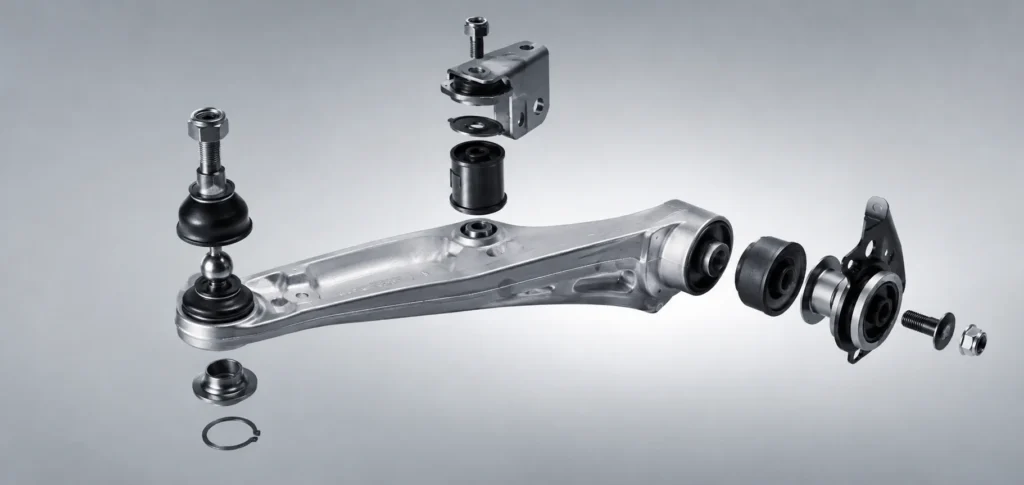
Understanding how a lower control arm works and why its rubber components matter can help engineers, manufacturers, and vehicle owners make better decisions for suspension performance. What Is a Lower Control Arm? A lower control arm is a key component in an independent vehicle suspension system. It is a suspension link that connects the wheel […]
The Importance of Controlling Vibrations in Construction
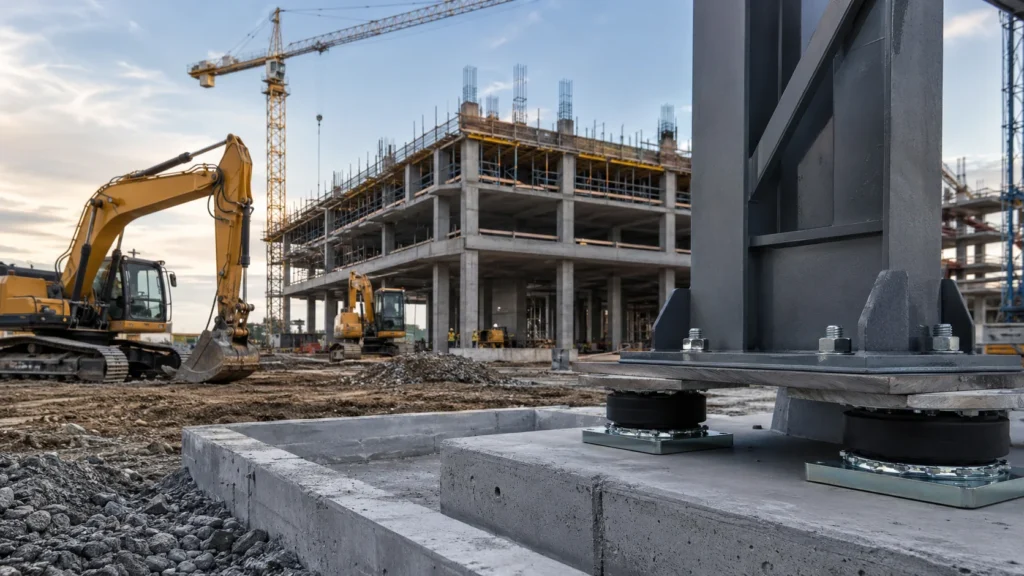
During the architectural design, construction, and equipment installation phases, implementing appropriate vibration control solutions has become a key measure for improving project quality and extending the service life of buildings. However, vibration control is not simply about reducing noise; rather, it involves using scientific design to minimize the transfer of vibration energy, thereby ensuring the […]
How Adjustable Feet Improve Stability in Industrial Equipment
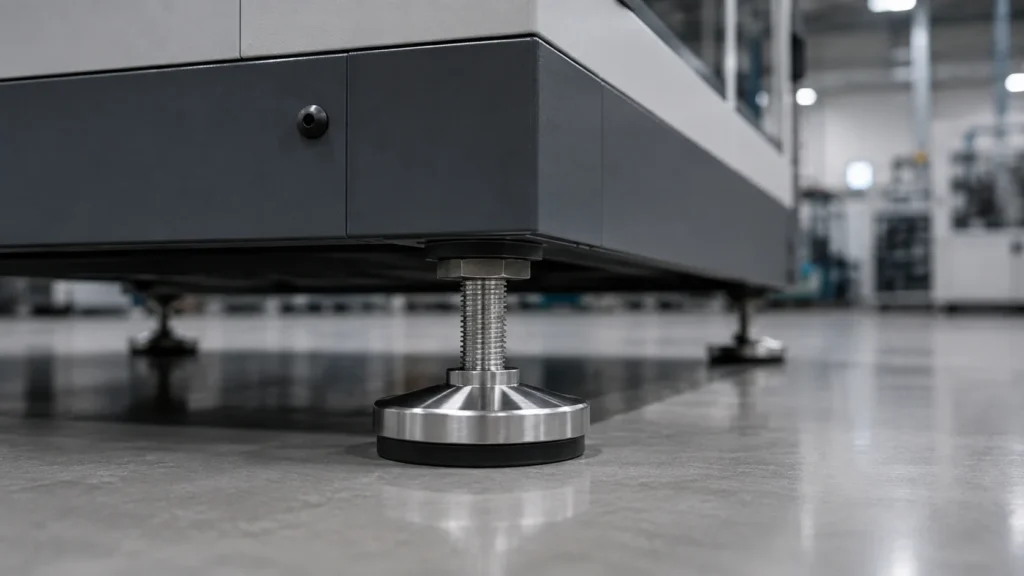
When industrial equipment wobbles, tilts, or operates unsteadily, your first thought might be that the floor is uneven. However, the reality is often more complex: the weight distribution of the equipment, the height of the support points, the rigidity of the base, installation errors, dynamic loads, and operational vibrations can all affect overall stability.
The Role of Chevron Springs in Railway Suspension Systems
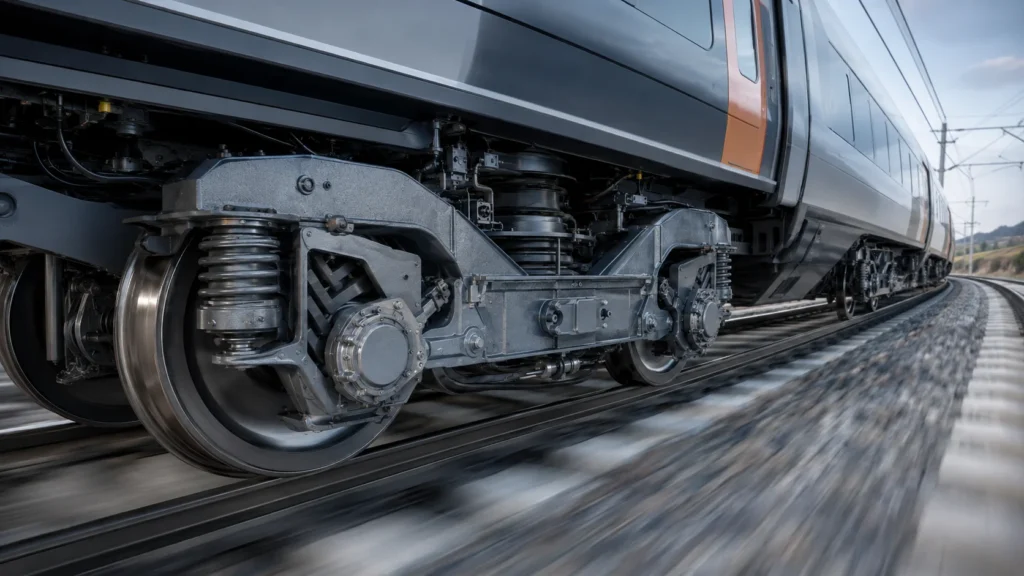
This article will explain how chevron springs bear loads, control wheel set motion, isolate vibrations, and reduce noise in the primary suspension systems of rail vehicles, as well as the key factors to consider during selection, testing, failure analysis, and customization.
How Rubber Buffers Enhance Durability in Industrial Applications
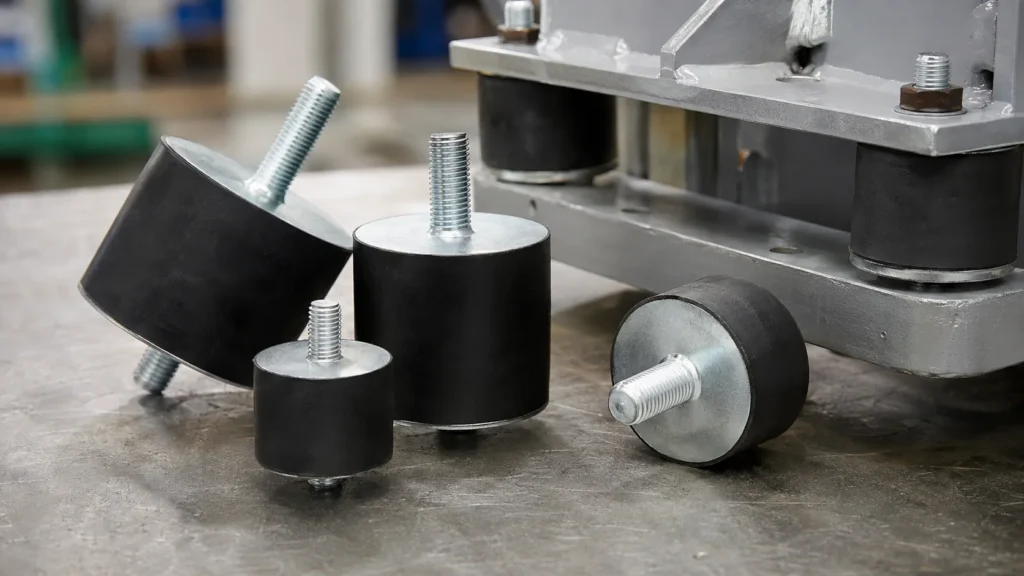
This article will focus on equipment durability to explain how rubber buffers work, what problems they can solve, why some buffers fail prematurely, and how to select the appropriate materials, hardness, and design for industrial machinery. What Are Rubber Buffers? Rubber buffers can be made of pure rubber or feature a rubber-to-metal composite structure. In […]
How Buffer Rails Improve Safety and Efficiency
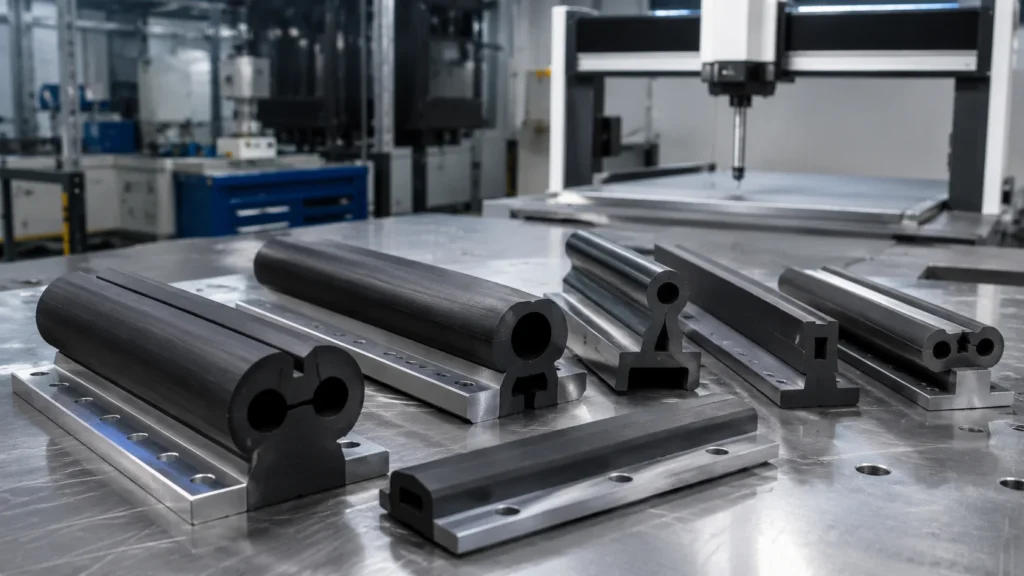
This article will explain how buffer rails enhance the safety and operational efficiency of industrial equipment, rail vehicles, and material handling systems by absorbing impacts, reducing peak loads, and minimizing equipment damage and unplanned downtime.
How Anti-Vibration Mounts Enhance Machine Performance
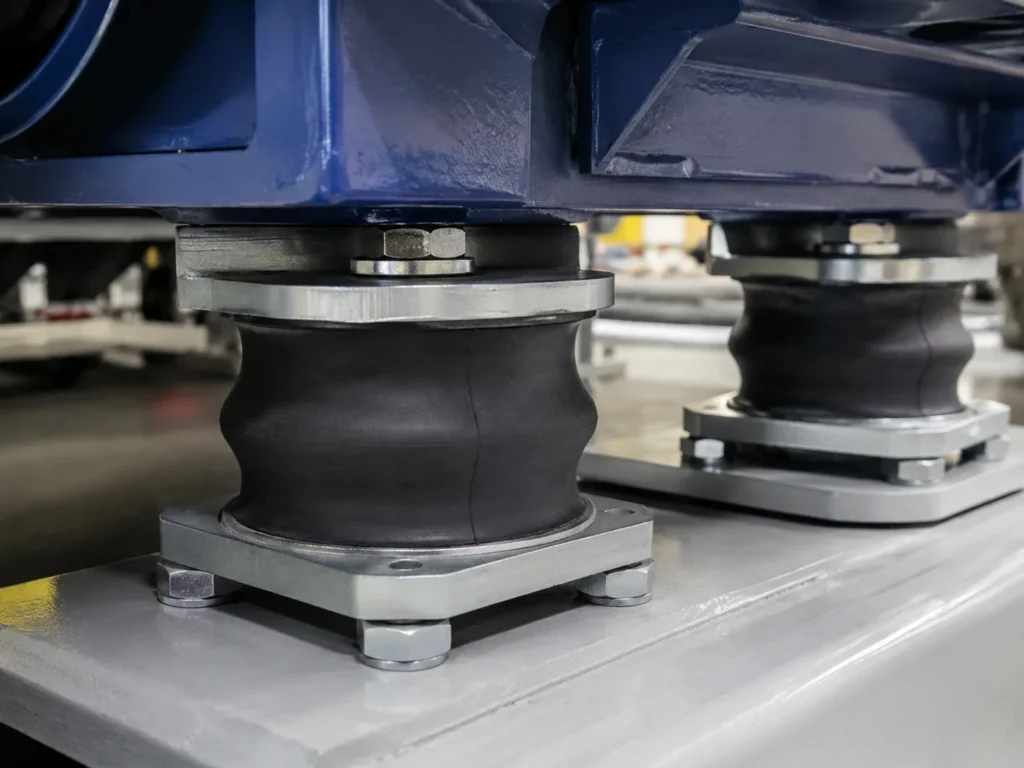
This article applies to passive vibration isolation for common rotary and reciprocating machinery, such as pumps, fans, motors, compressors, generator sets, industrial engines, machine tools, HVAC equipment, and mobile machinery.
What Are Rubber Couplings and Their Role in Machinery?
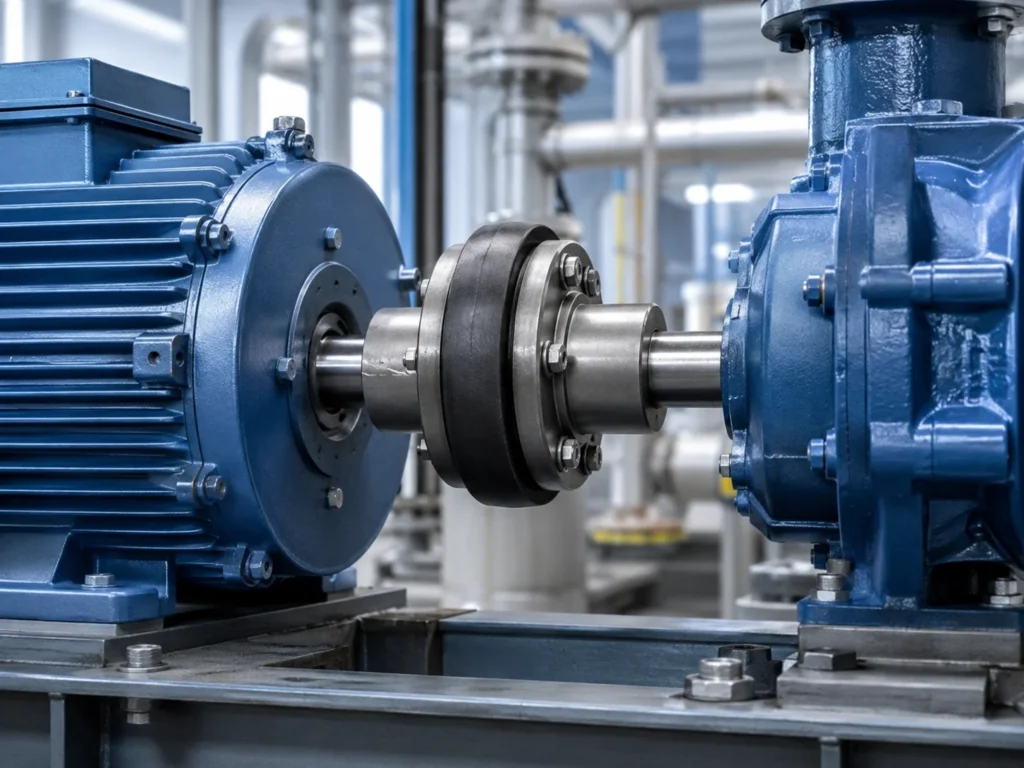
How do rubber couplings transmit torque, compensate for shaft misalignment, and reduce mechanical vibration? This article provides a detailed overview of the working principles, main types, material selection, common failures, application scenarios, and selection methods for rubber couplings.
3 Types of Rubber Molding
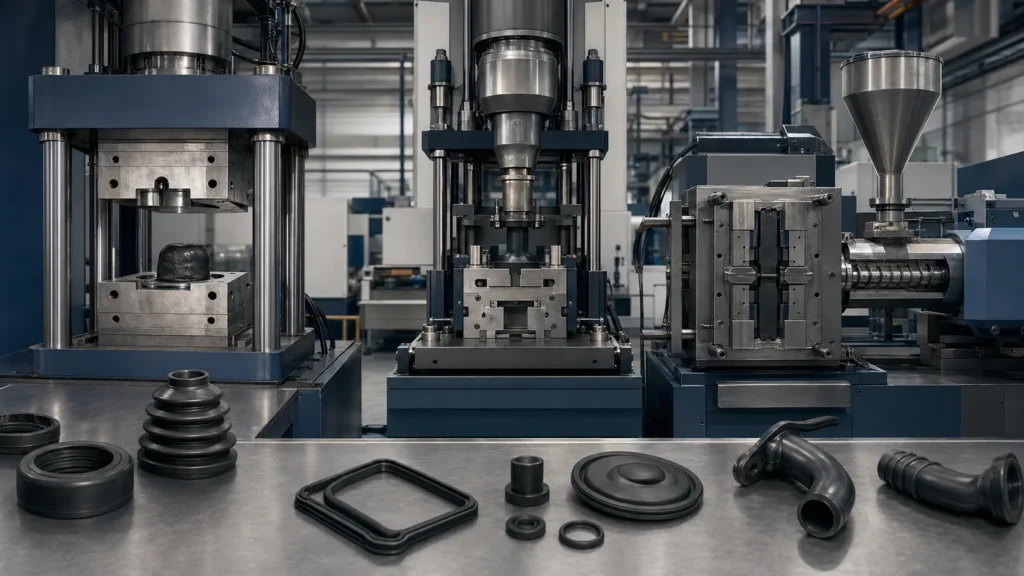
All three methods can produce reliable molded rubber parts. The distinction lies not in which method is “absolutely more advanced,” but in which one can meet your project’s requirements with reasonable mold investment, consistent quality, and an acceptable unit cost.
What Are the Parts of the Front Suspension?
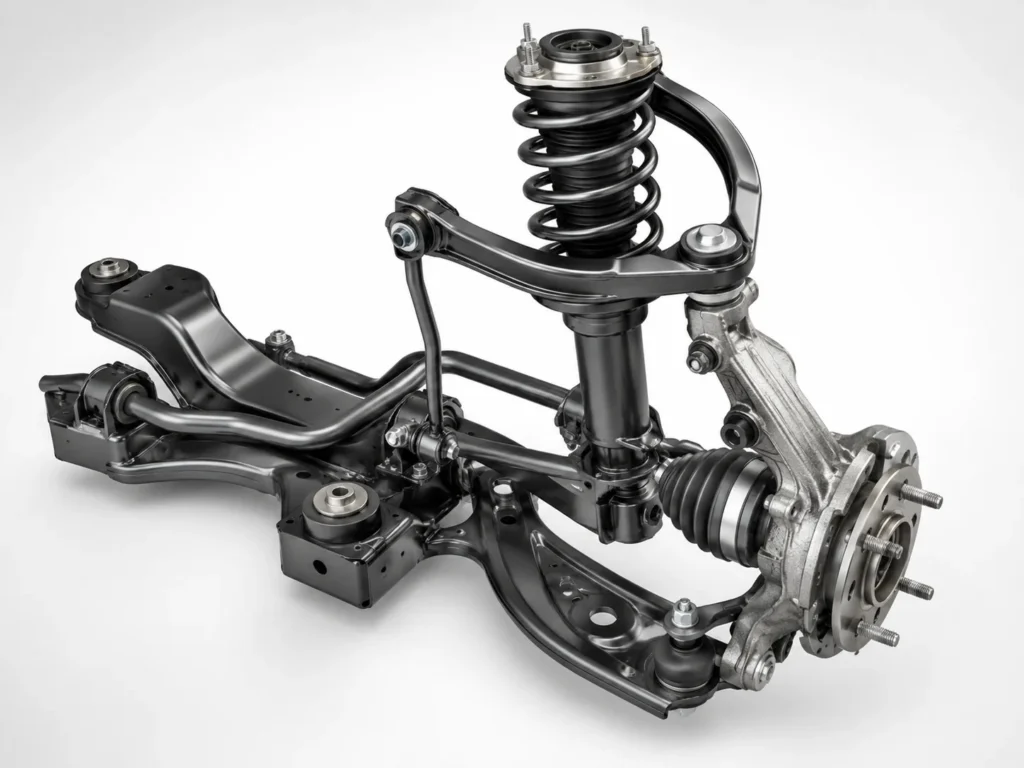
When you turn the steering wheel, drive over speed bumps, or brake while cornering, the front wheels do not operate independently. The front suspension system works together to control the wheels’ position, vertical movement, steering angle, and road impacts. What components make up the front suspension? Common automotive front suspension systems typically include: Wheel bearings, […]
What Is the Shore Hardness of Rubber?
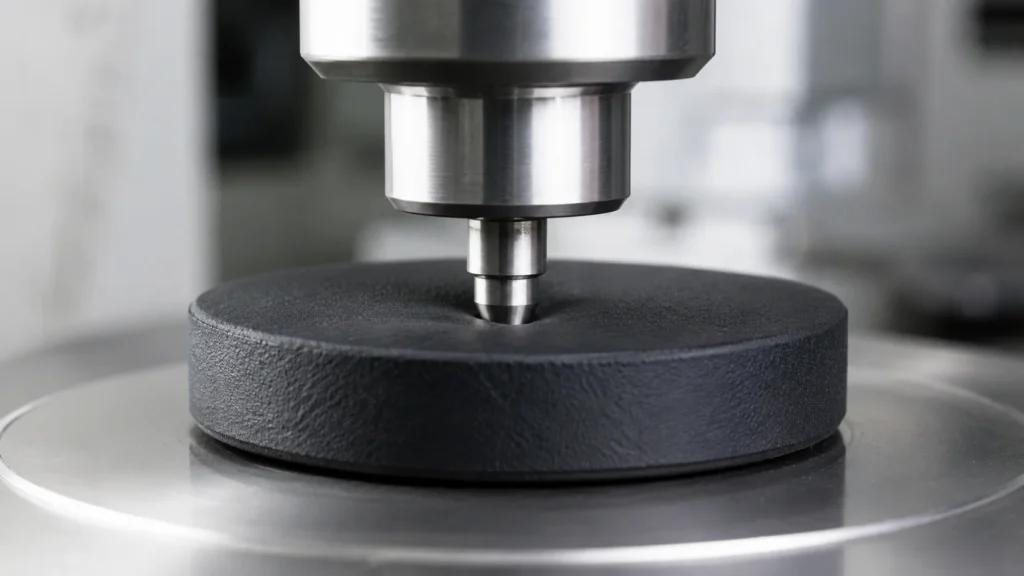
Learn about the meaning of Shore hardness in rubber, the difference between Shore A and Shore D, rubber hardness testing methods, and how to select the appropriate rubber hardness based on load, shock absorption, sealing requirements, and the operating environment. What Is Shore Hardness in Rubber? Shore hardness is an important indicator used to measure […]
What Are Suspension Bushings and Their Role in Vehicle Performance?
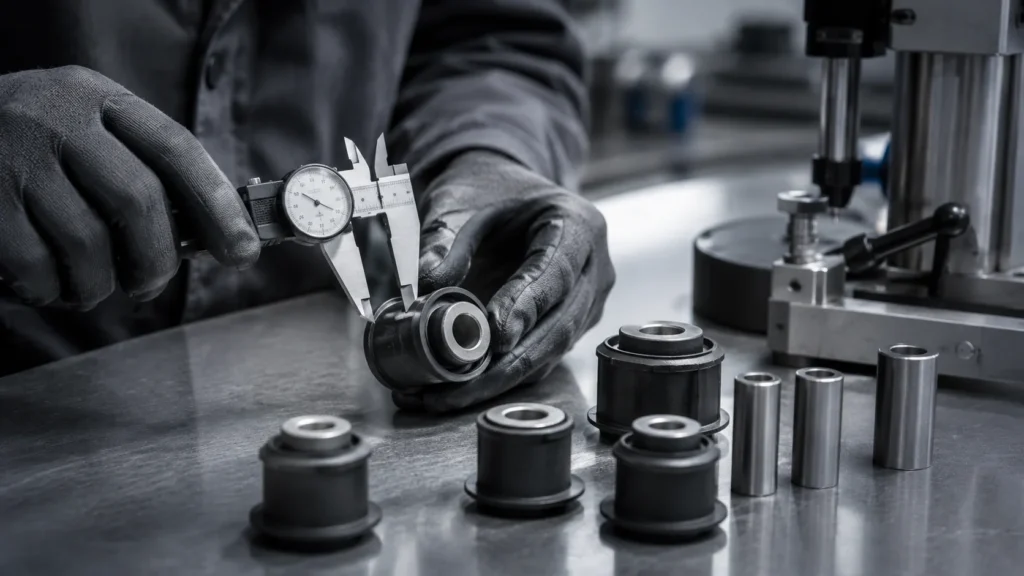
Although suspension bushings are small, they directly affect a vehicle’s comfort, handling stability, steering response, and tire life.Many chassis noises, pulling to one side, or abnormal tire wear are often related to them.
7 Signs Your Suspension Bushings Need Replacing
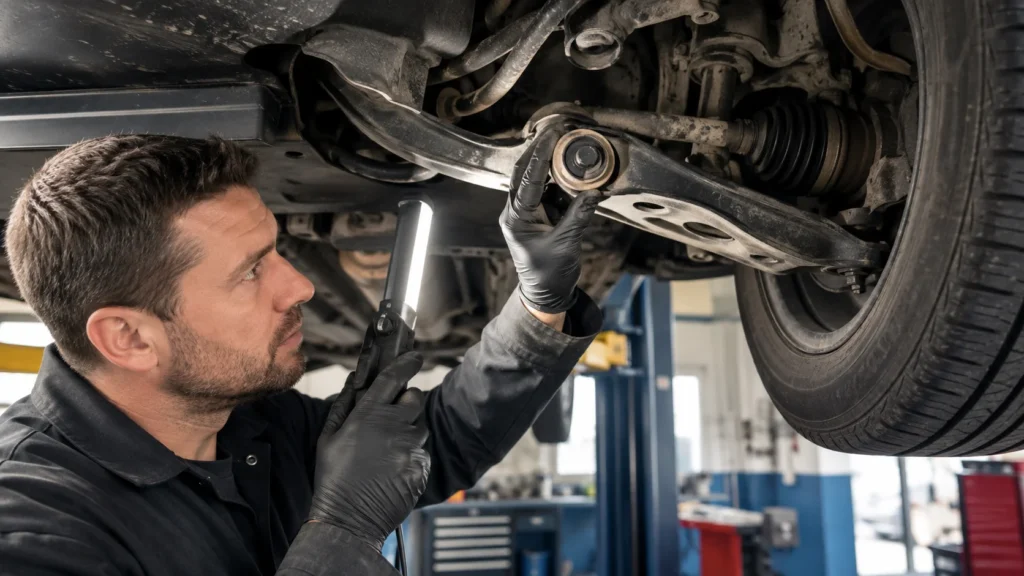
Learn 7 signs your suspension bushings need replacing, including clunking noises, loose steering, uneven tire wear, braking instability, vibration, and visible cracks.
What Are the Signs of Faulty Sway Bar Links?
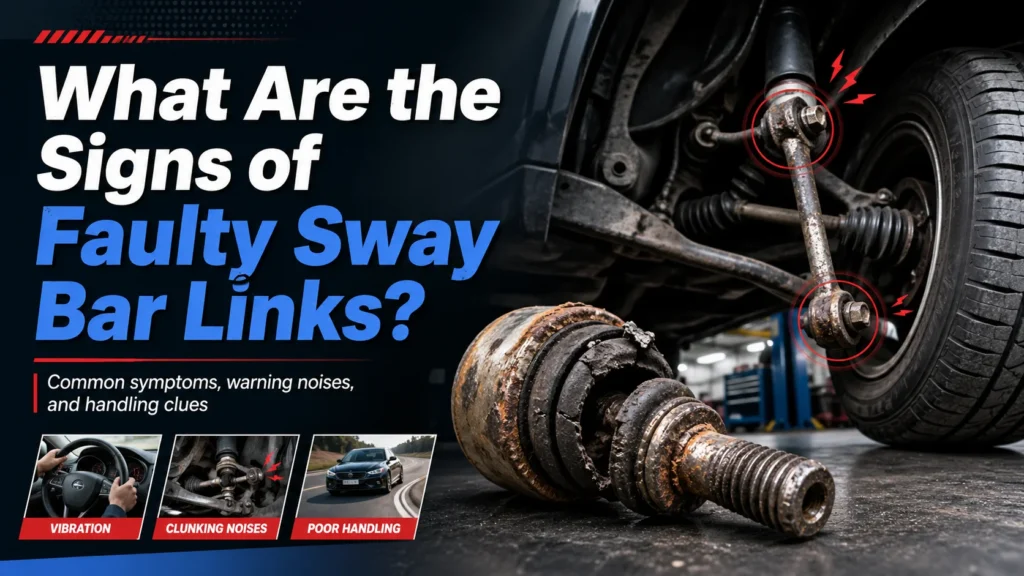
Learn the common signs of faulty sway bar links, including clunking noises, loose steering, body roll, uneven tire wear, and poor handling. Find out when to inspect or replace sway bar links.
Shock Absorber VS Strut Assembly
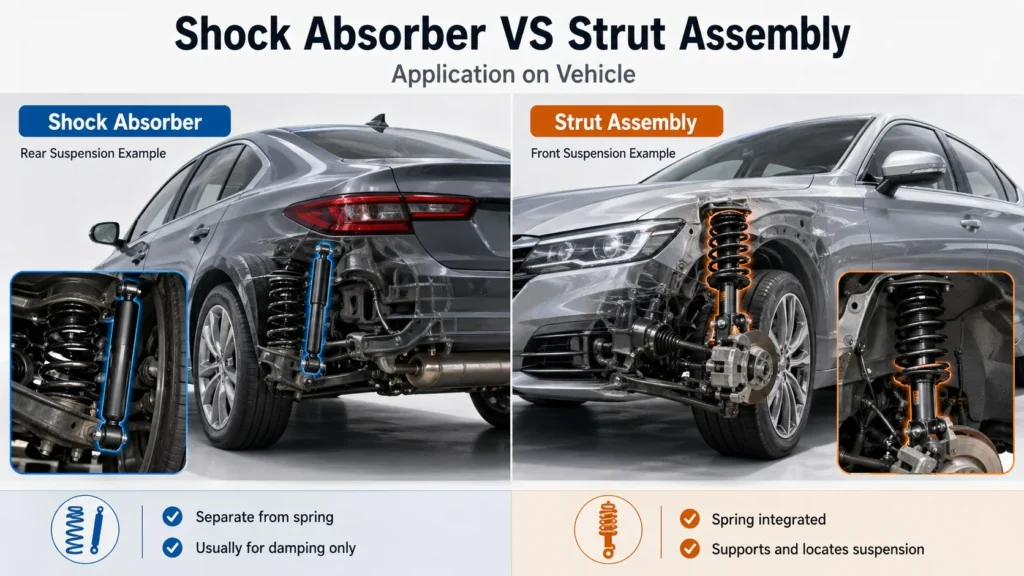
In today’s article, I’ll draw on my hands-on experience to clearly explain once and for all: What exactly is the difference between a shock absorber and a strut assembly, when you should replace each one, and how to choose the right one to avoid pitfalls.
Guide to Conical Mounts
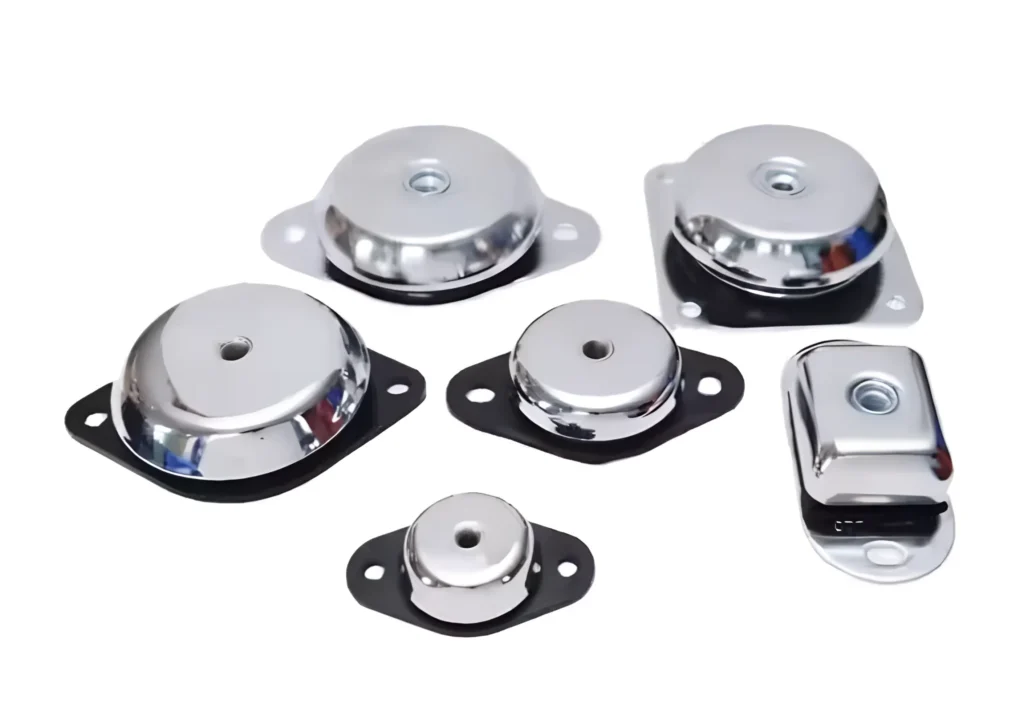
If you are looking for vibration isolation solutions for engines, cabs, transmissions, generator sets, or other industrial equipment, conical mounts are often a top priority to consider. This article will guide you through the basics of conical mounts.
Sandwich Mounts Guide
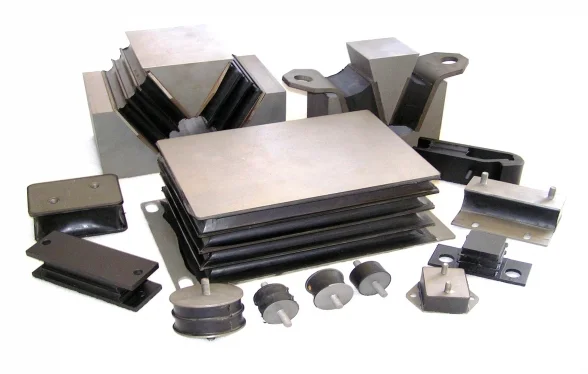
If you’re looking for a solution that provides both load-bearing capacity and vibration isolation while accommodating various mounting orientations, this sandwich mounts guide will help you make better choices when selecting sandwich mounts and avoid unnecessary costs.
Center Bonded Mounts Guide
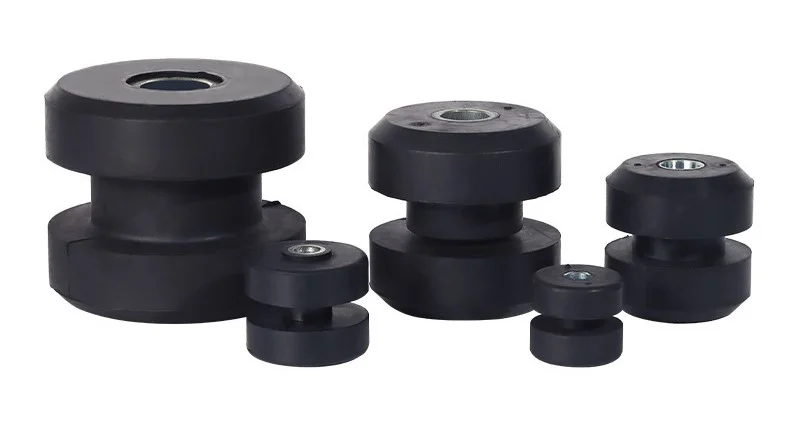
This Center Bonded Mounts Guide addresses the key questions you care about: What are Center Bonded Mounts? Which equipment are they suitable for? How do you choose the right one? And what are the most common pitfalls to avoid when purchasing them?
Guide to Selecting Small Industrial Engine Mounts
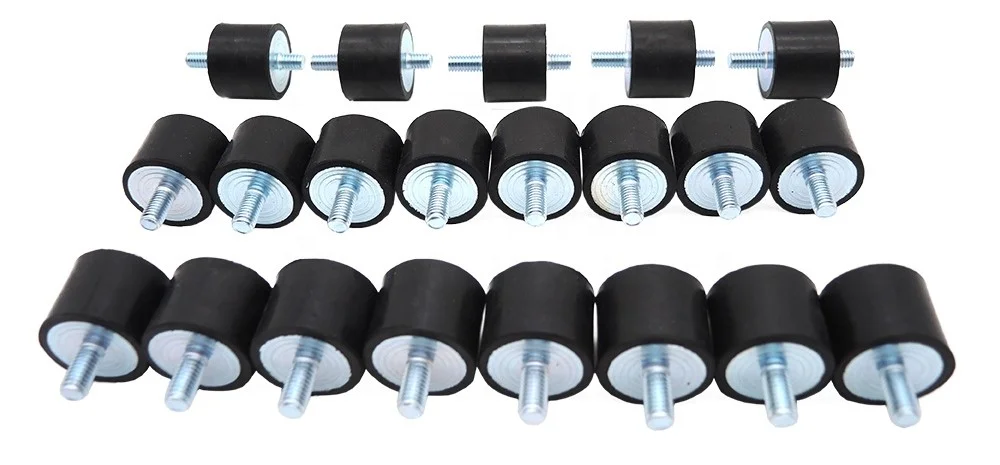
This article won’t just throw a bunch of specs and theories at you. Drawing on the pitfalls I’ve encountered and the experience I’ve gained over the years, I’ll explain in plain language: how to choose the right small industrial engine mount, how to install it securely, and how to make it last. After reading this, you should be able to avoid the mistakes I made back then.
Elastomer Temperature Range Guide
The real question this article aims to answer is not “which rubber is most heat-resistant,” but rather “which elastomer will perform more reliably, last longer, and be less prone to problems down the line in your specific application and design.”
How Rubber Mounts Work
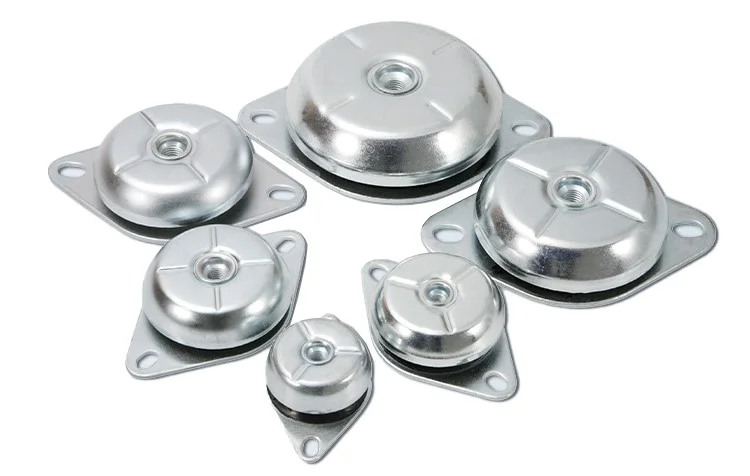
Many people know they reduce vibration, minimize noise, and absorb shocks, but when it comes to selecting the right type, a question arises: Why do some rubber mounts make a noticeable difference once installed, while others seem to do little more than “look like they’re there”?
Guide to Molded Rubber Tolerances
When manufacturing molded rubber parts, many issues appear on the surface to be “dimensional deviations,” but the root cause often lies not in the production process itself, but in an insufficient understanding of molded rubber tolerances during the early stages.
Rubber Types: A Complete Guide
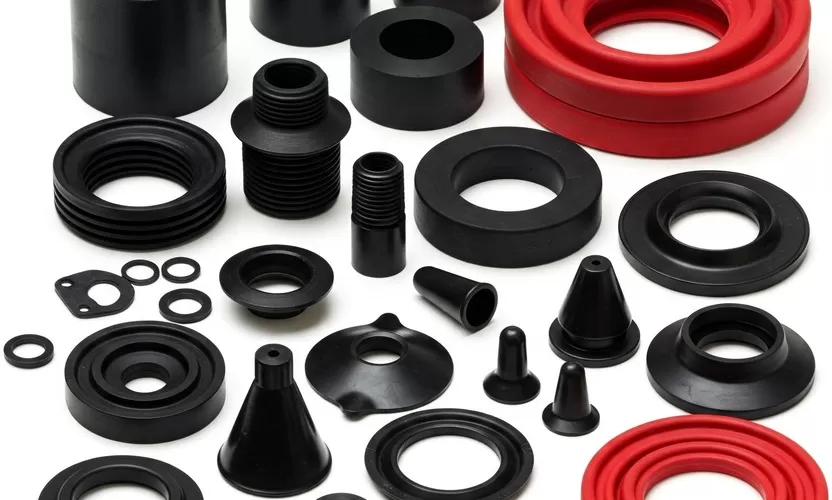
Many procurement professionals and engineers often face premature product failure or even safety incidents when selecting rubber materials due to a lack of understanding of material properties.
Natural Rubber vs. EPDM
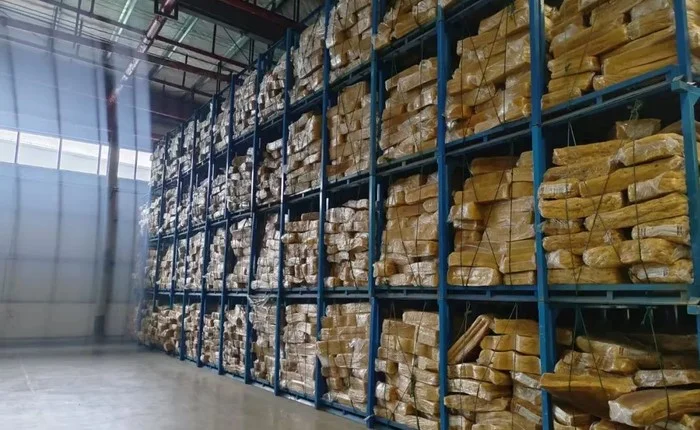
Based on real-world engineering cases and authoritative technical data, this article provides an in-depth comparison of the core performance differences between natural rubber and EPDM to help you make accurate and safe selection decisions.
Engine Mount Design Guide: Expert Practices from Concept to Manufacturing

This article presents a comprehensive engine mount design guide, drawing on practical experience from both aerospace and high-performance automotive sectors.
What is Elastomer Molding? A Complete Guide to Processes, Materials, and Applications
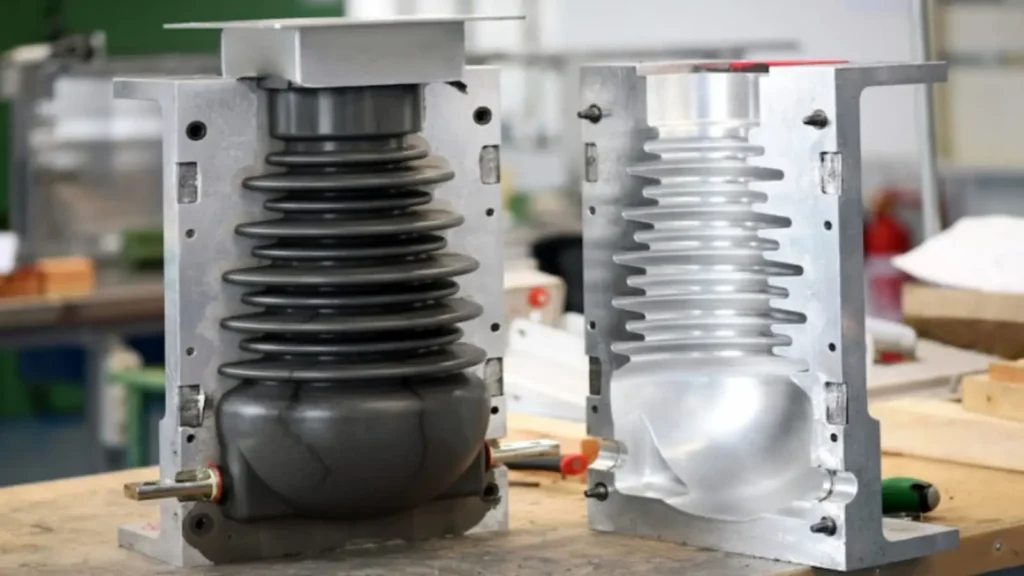
The process of transforming this high-performance polymer into precision functional components is known as elastomer molding.
Rubber-to-Metal Bonding: A Comprehensive Guide
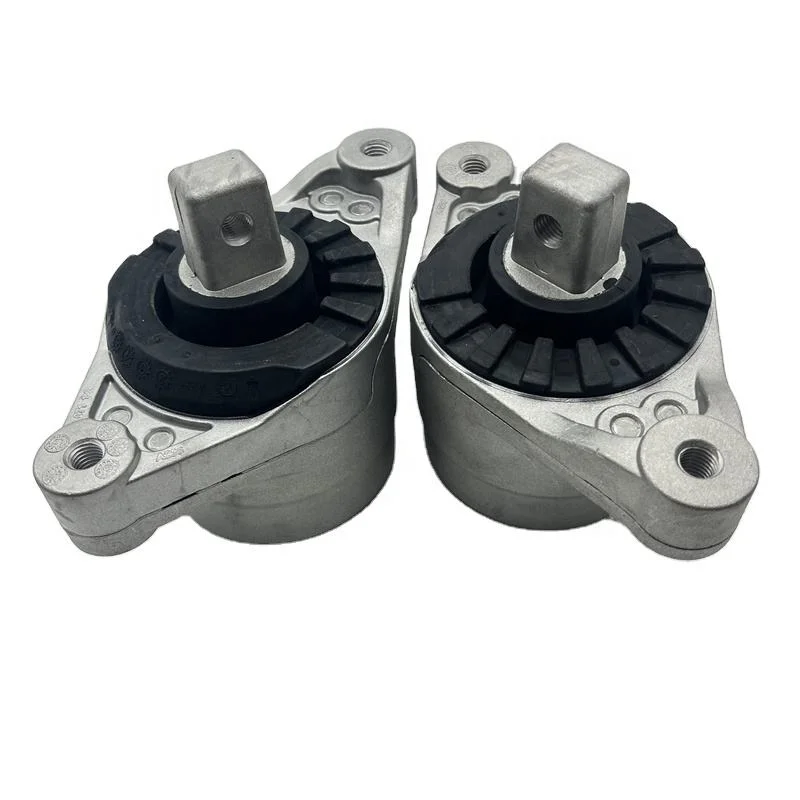
Rubber to Metal Bonding, commonly referred to as “rubber overmolding” or “rubber vulcanized bonding to metal,” involves processes such as surface treatment + bonding systems (primer/topcoat) + compression molding and vulcanization.
Rubber Injection Molding: Three Mainstream Methods and How to Select Them
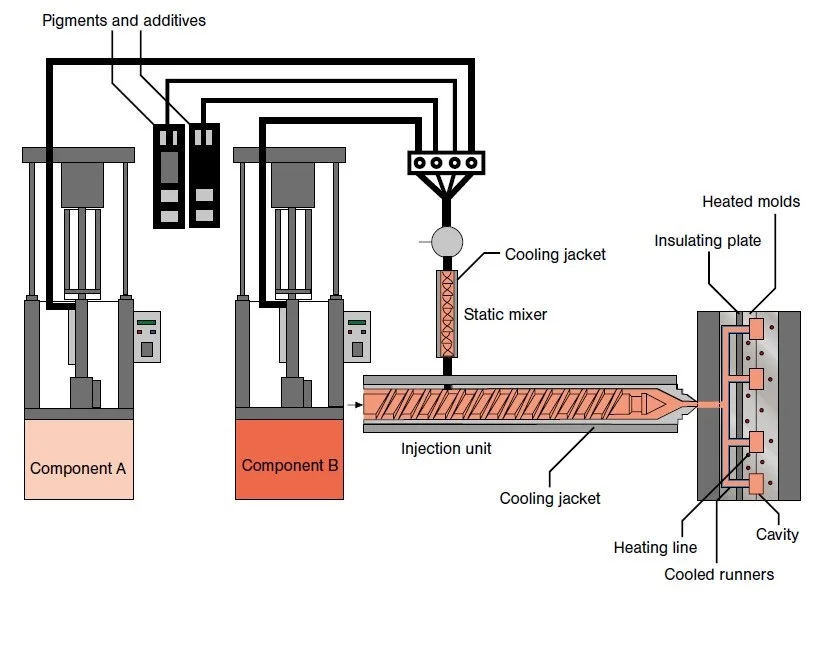
What is Rubber Injection Molding Rubber injection molding involves metering and plasticizing/mixing rubber compounds (solid rubber compounds or liquid silicone rubber) within equipment, injecting them into mold cavities, and completing vulcanization (cross-linking) and shaping through heating and pressure within the mold. The critical factor in rubber molding is not “cooling and hardening,” but achieving “complete […]
Replacing Shock Absorbers: How Much Does It Cost?
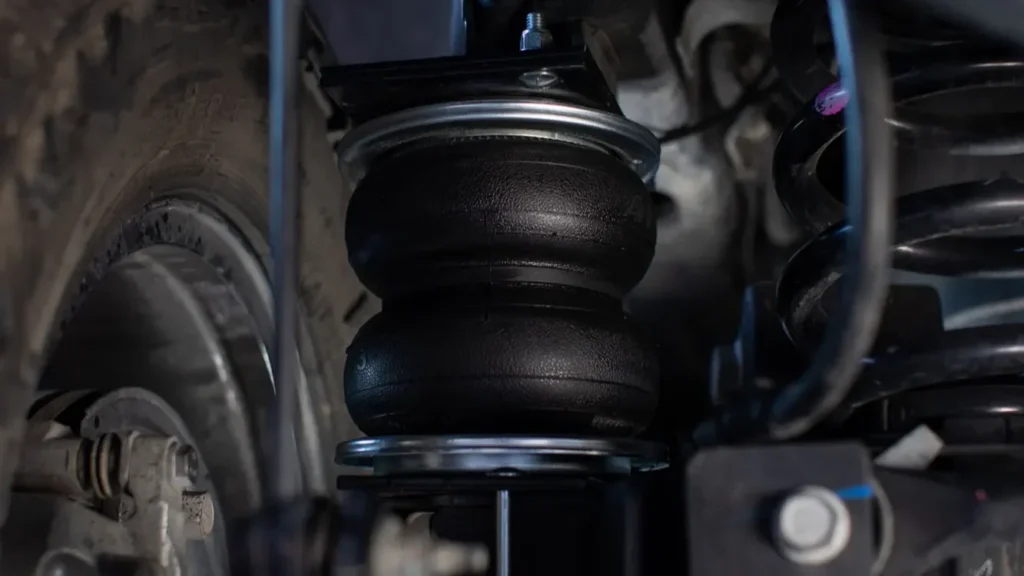
If you search “How Much Does It Cost to Replace Shock Absorbers” or “Replacing Shock Absorbers Cost,” most car owners will find themselves within two price ranges:
Strut Mount Explained: Symptoms, Replacement Cost, and More
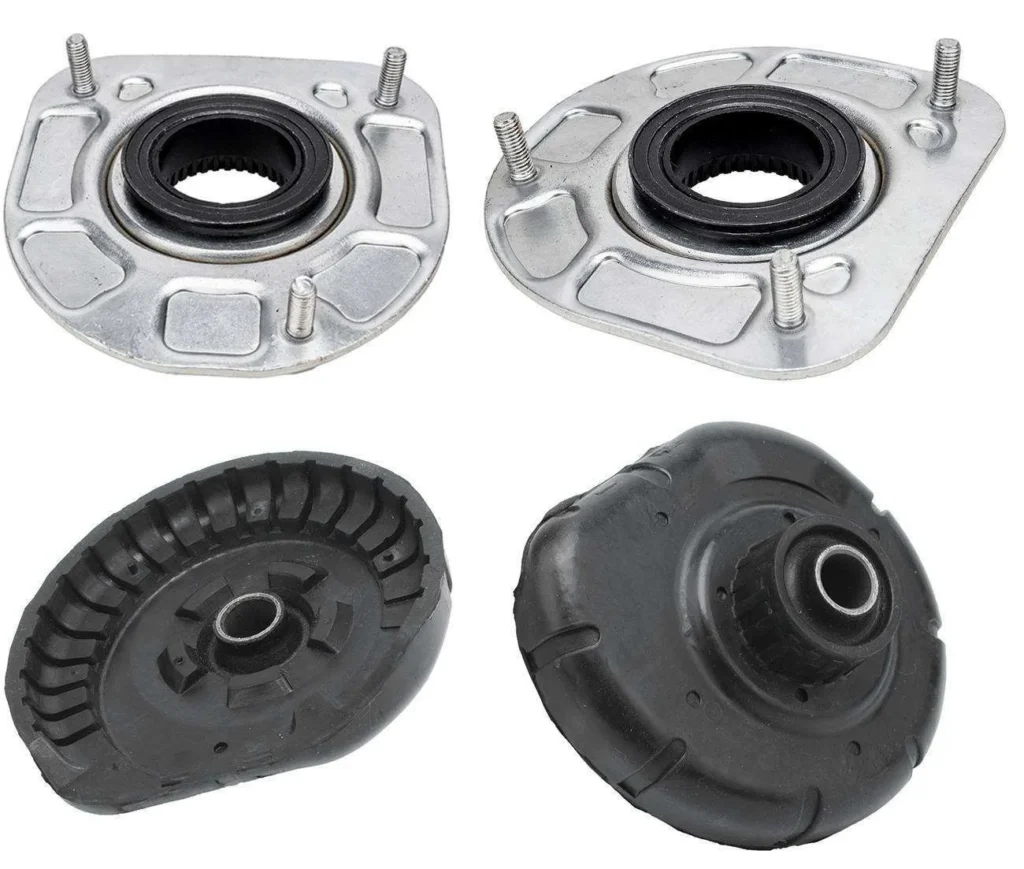
Commonly referred to as the “shock absorber top mount” or “upper strut mount,” the strut mount is installed at the top of the shock absorber strut in MacPherson strut suspensions.
What Are the Symptoms of a Bad Control Arm
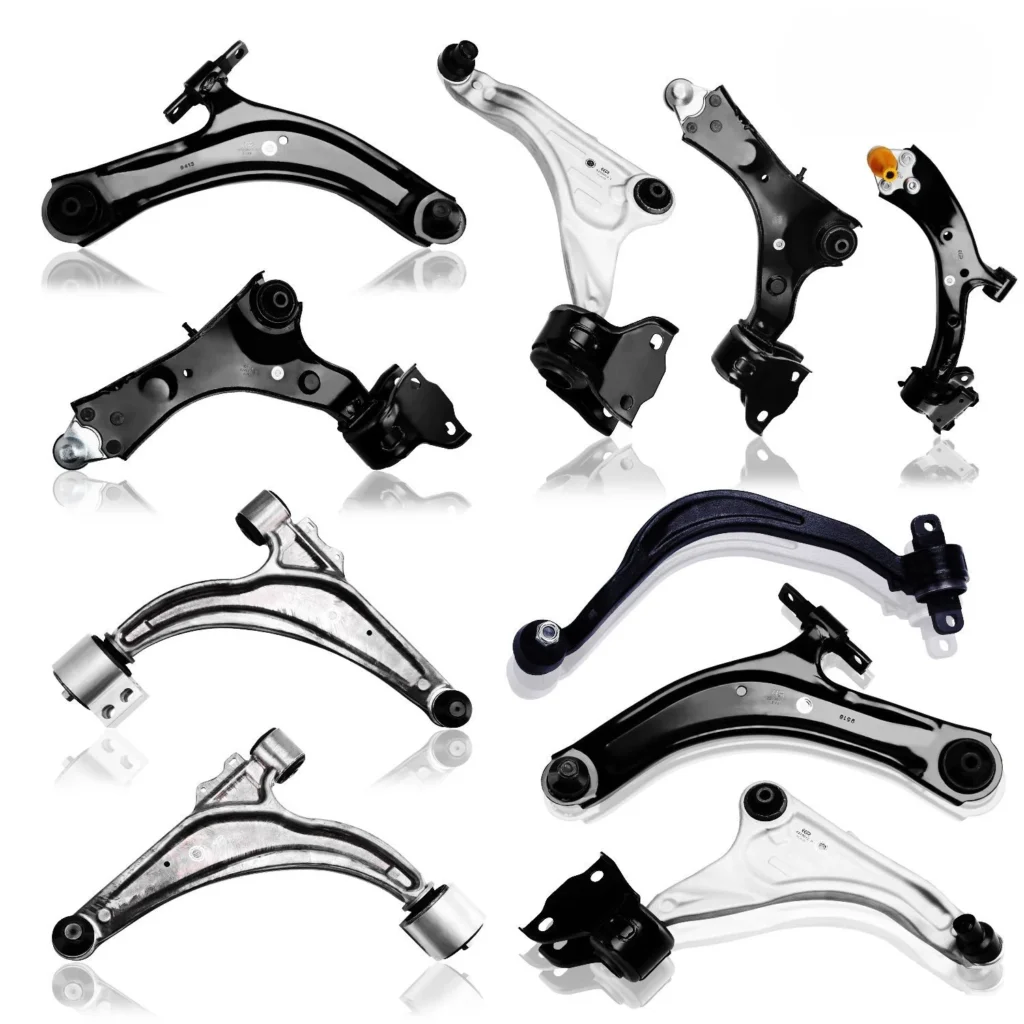
This article analyzes symptoms of faulty control arms from an engineering perspective: abnormal noises, unstable steering, steering wheel vibration, pulling to one side, uneven tire wear, and inconsistent braking. It provides a three-step troubleshooting and repair strategy for vehicle owners (replace bushings/ball joints or replace the entire assembly) to help quickly identify issues and reduce driving risks.
What Are Engine Mounts? Principles, Types, Failure Symptoms, and Selection Guidelines
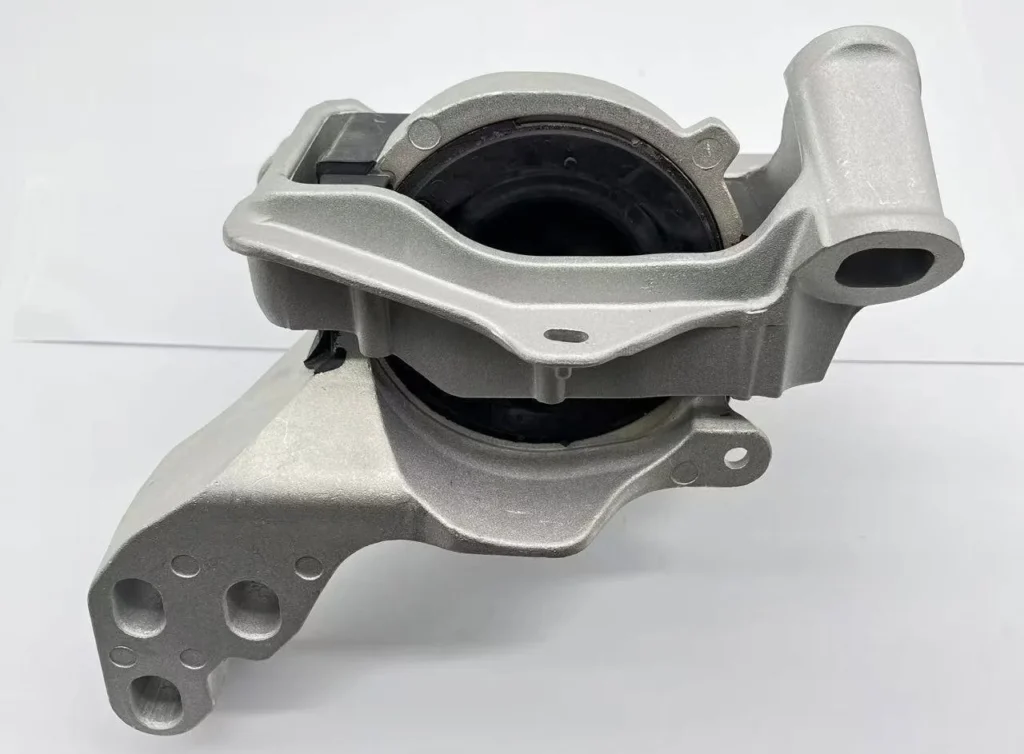
This article focuses primarily on powertrains for passenger and commercial vehicles, while also providing a universal logic for selecting “engine vibration isolation mounts” for construction machinery, generator sets, and similar applications. It does not replace specific vehicle repair manuals or OEM specifications.
Cost of Replacing Engine Mounts
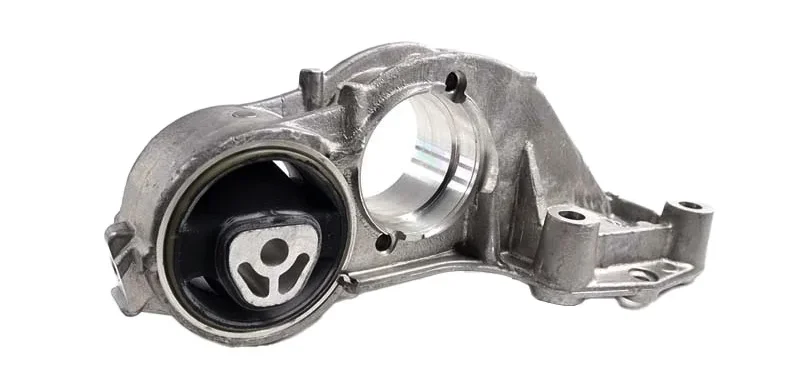
This article systematically breaks down the components of “engine mount replacement cost” (parts + labor + additional items), providing common price ranges, differences across vehicle models/mount types, how to determine if replacement is necessary, and key selection and procurement points for equipment/OEMs. This helps you allocate funds to the aspects that “truly resolve vibration issues.”
Suspension Bushing Wear Issues
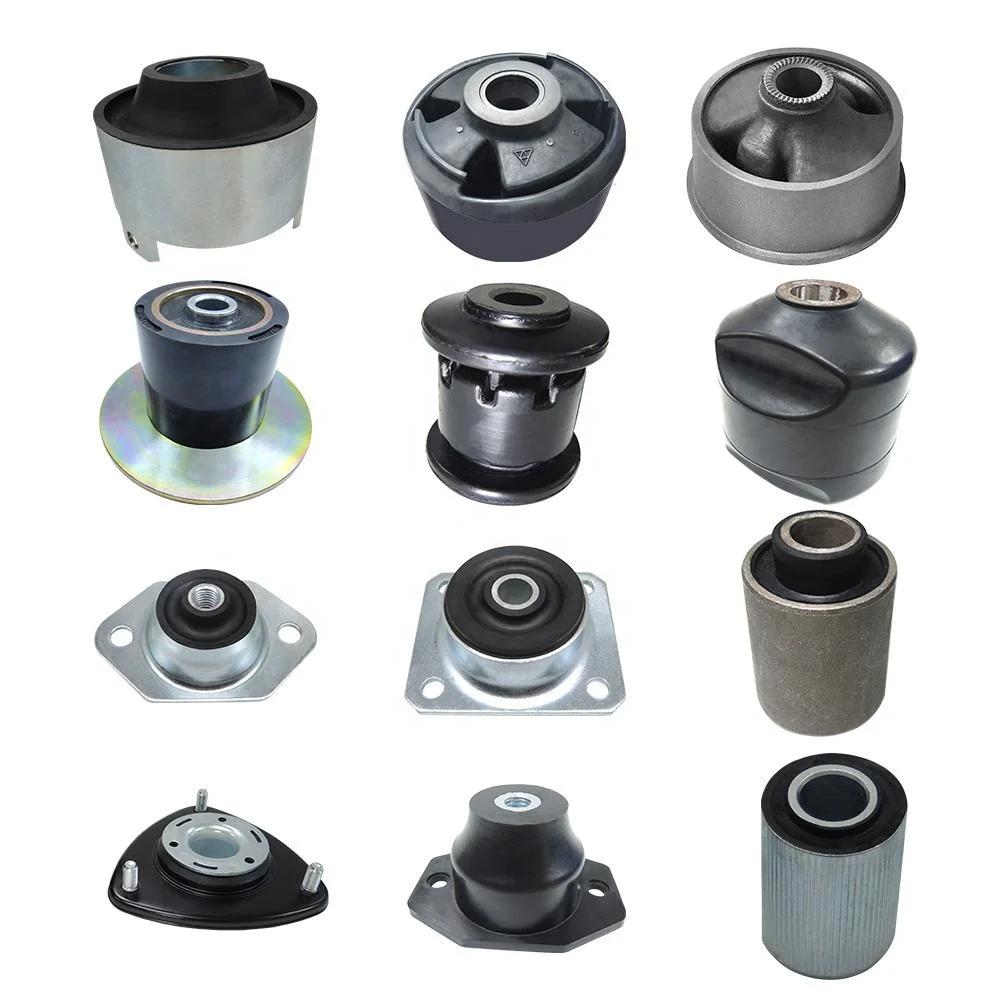
Within the chassis system, the function of suspension bushings is not to “support weight,” but rather to isolate vibrations, absorb impacts, and maintain suspension geometry stability under dynamic loads through controlled elasticity and damping.
Using Rubber for Anti-Vibration: A Practical Guide to Vibration Isolation
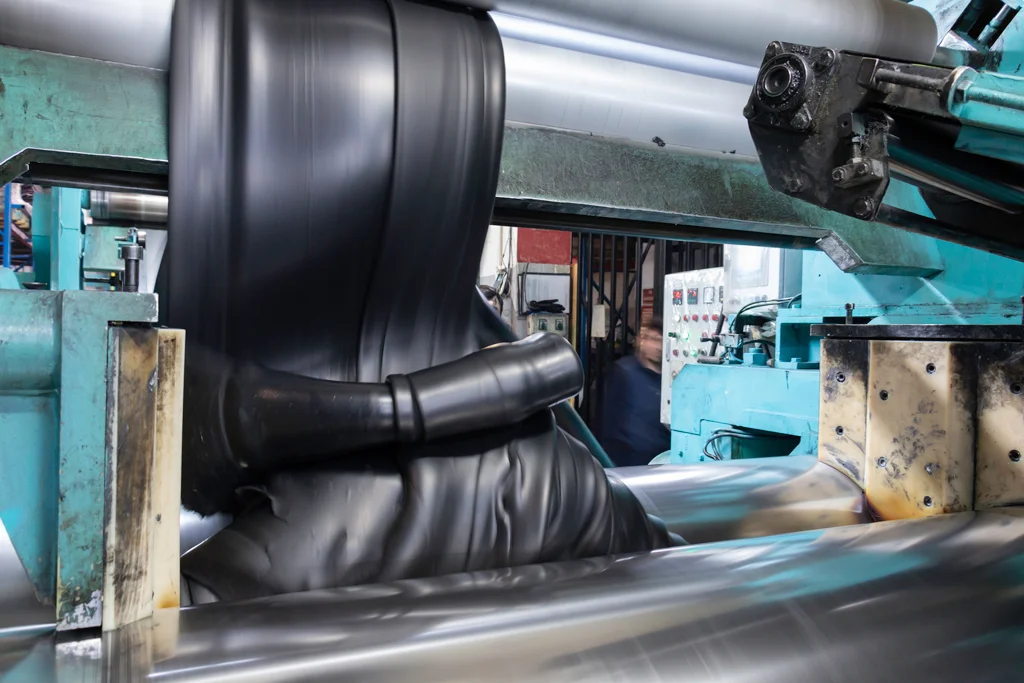
Rubber is a quintessential viscoelastic material: it stores part of the energy elastically (providing support and recovery) while dissipating the remainder as loss (converted to heat).
A Concise Guide to Rubber Recycling Processes
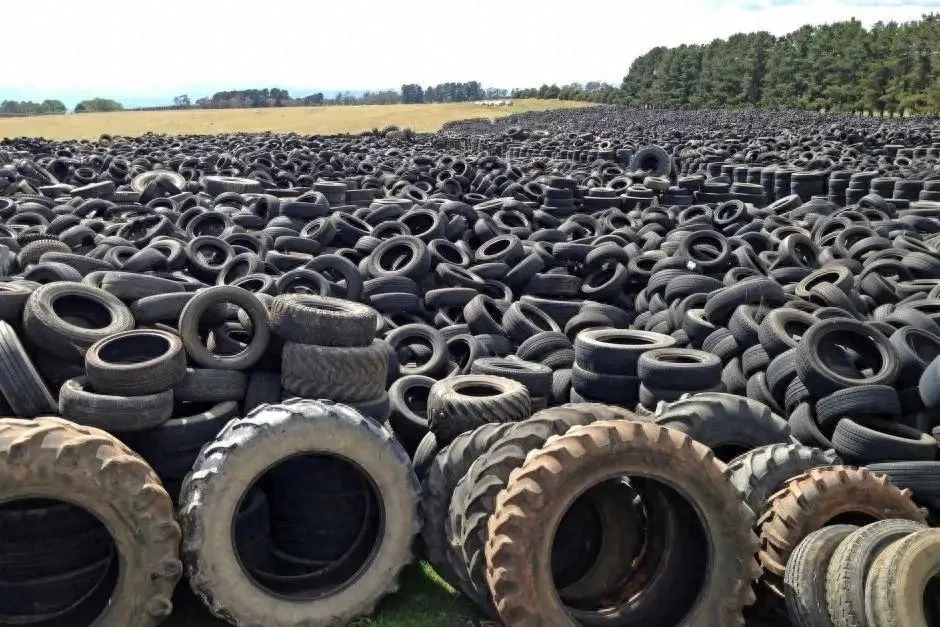
The core reason waste rubber (especially scrap tires) is difficult to process is that vulcanization forms a three-dimensional cross-linked network in rubber.
How to Select Anti-Vibration Mounts
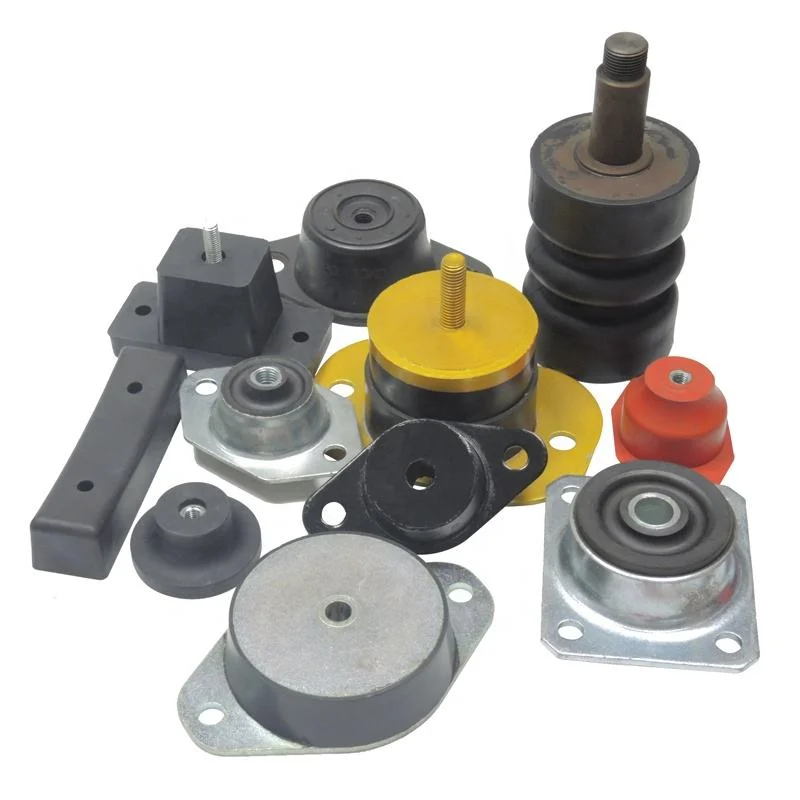
This article employs an engineering methodology to explain how to select anti-vibration/isolation mounts: First, identify the excitation frequency and load distribution. Next, determine isolation efficiency using frequency ratio and static deflection. Finally, select rubber, spring, or rope isolation based on environmental conditions and installation requirements.
What are Vehicle Control Arms?
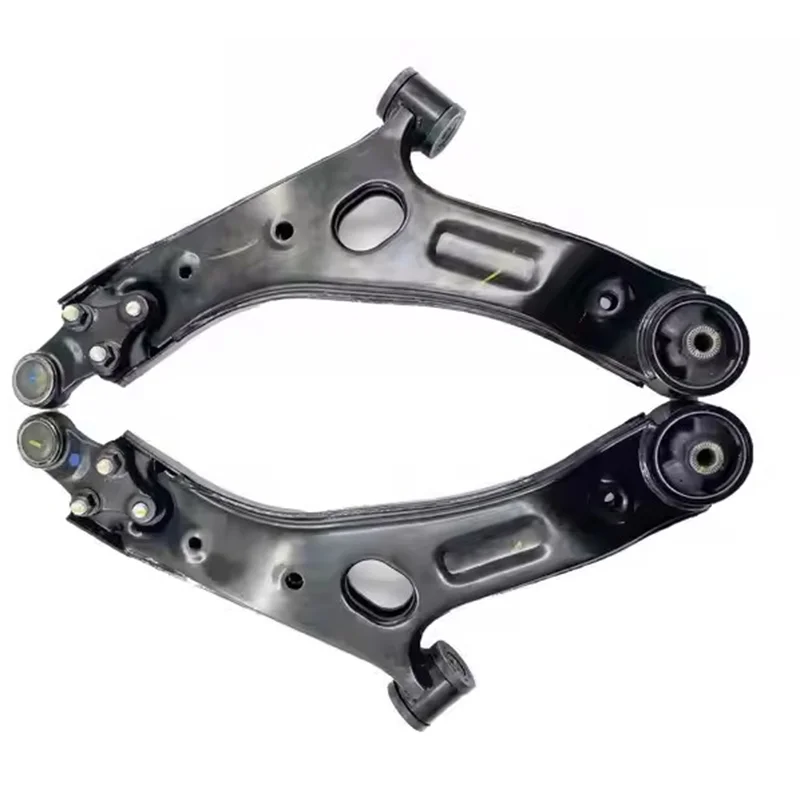
Control arms (also commonly referred to as A-arms, wishbones, or suspension arms) serve as the “positioning links” within the suspension system. They connect the body/subframe to the steering knuckle (or hub carrier) on the wheel side.
A Guide on the Different Types of Motor Mounts
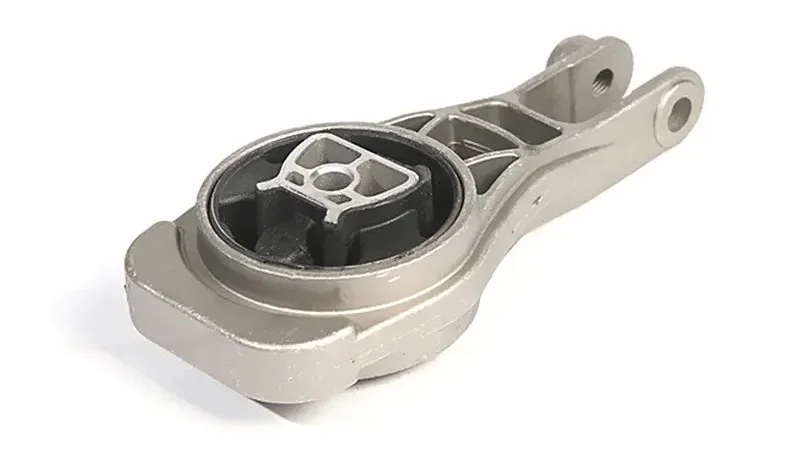
The motor mount, a component made of rubber, metal or composite material, is the connecting part that is fixed between the frame and the engine.
Why Use Rubber Bushes?
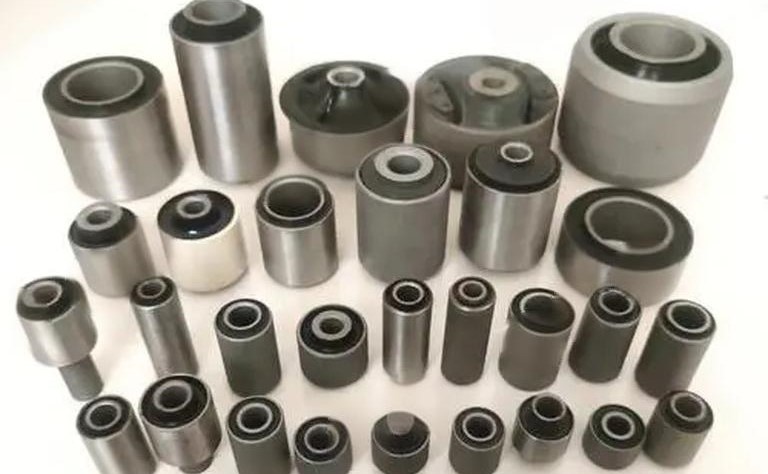
If you take apart the suspension of a car or look at the connecting parts of a factory machine, you will find some black or brown rubber rings – these are rubber bushes.
Difference Between Natural Rubber And Synthetic Rubber

What is natural rubber? Natural rubber is a natural product derived from the rubber tree, mainly the Brazilian rubber tree. This bio-based material is composed of 97% isoprene, and the cis structure of the molecular chain gives it a unique “memory elasticity” – it can be stretched by 300% and still return to its original […]
Air Spring: The Ultimate Guide
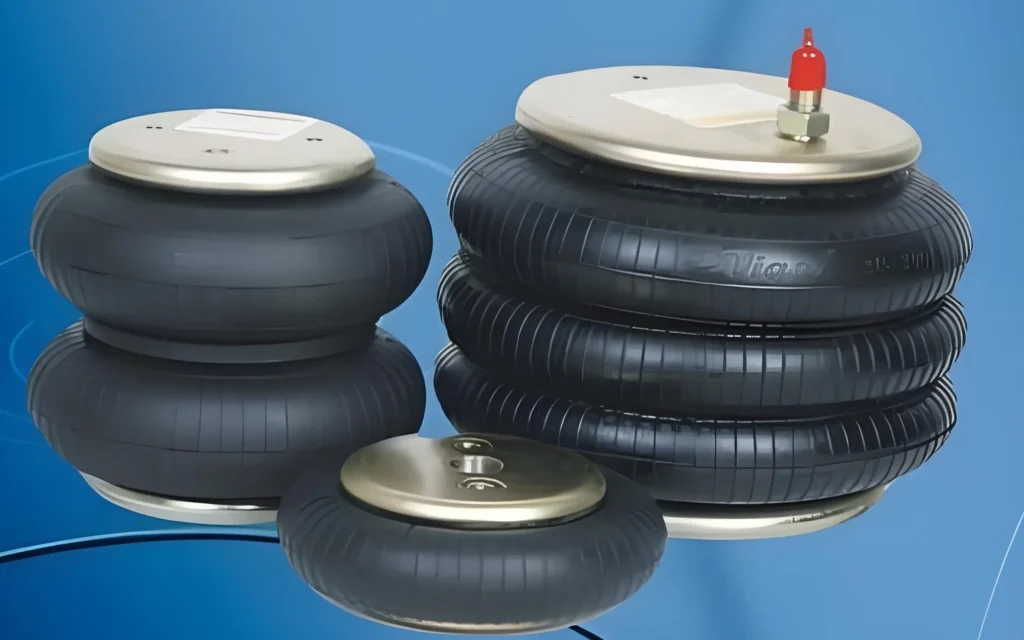
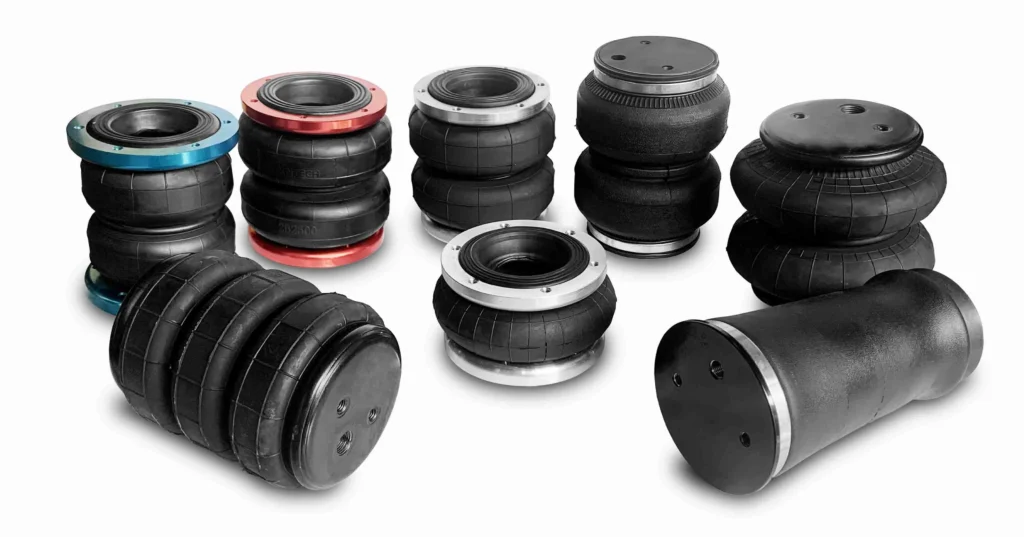
An air spring is a mechanical component that utilizes compressed air to generate elasticity. Widely used in various fields such as automobiles, construction machinery, and aerospace, it primarily functions to provide suspension, support, cushioning, and adjustment.
How much does it cost to repair car suspension?
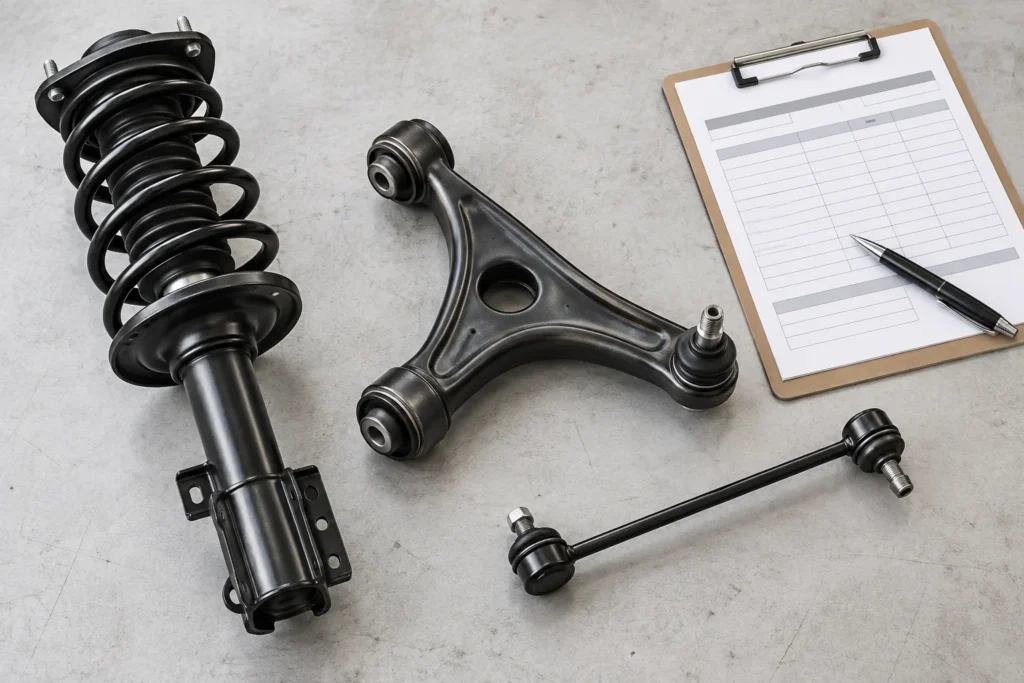
Understand car suspension repair costs, compare parts and labor, and check what a quote includes before approving work on shocks, struts or control arms.
The Role of Spherical Bearings in High-Load Applications
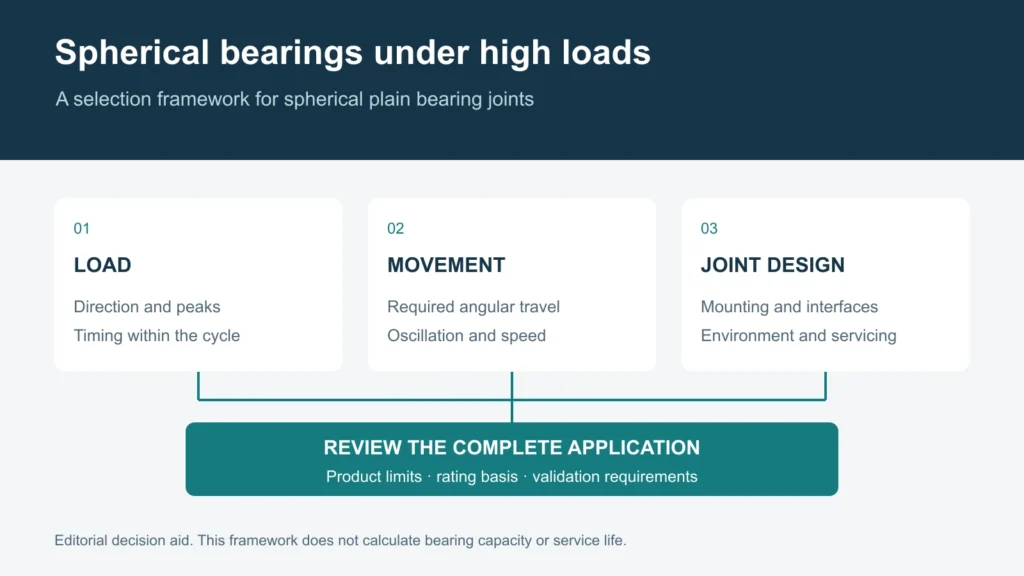
Learn how spherical plain bearings support high-load joints, what limits their performance, and which operating details to include in a project inquiry.
The Evolution of Air Suspension Systems in Modern Railway Vehicles
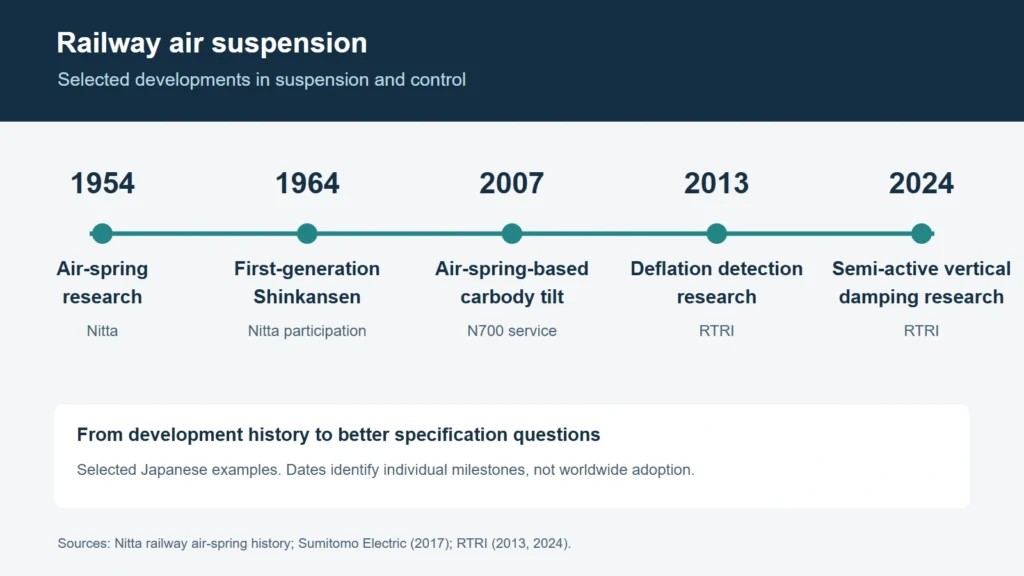
Explore how railway air suspension systems evolved, from load levelling to monitoring, and what engineers should validate when specifying components.
ASTM D2000 Specifications for Rubber Materials
A request for “70 Shore A NBR” identifies a rubber family and a hardness target. It leaves other purchasing questions unanswered: which aging requirements apply, what fluid exposure must be evaluated, and what evidence should the supplier provide? ASTM D2000 provides a structured way to describe rubber material requirements through a line callout. Reading that […]
How much does it cost to replace the bushings on a car?
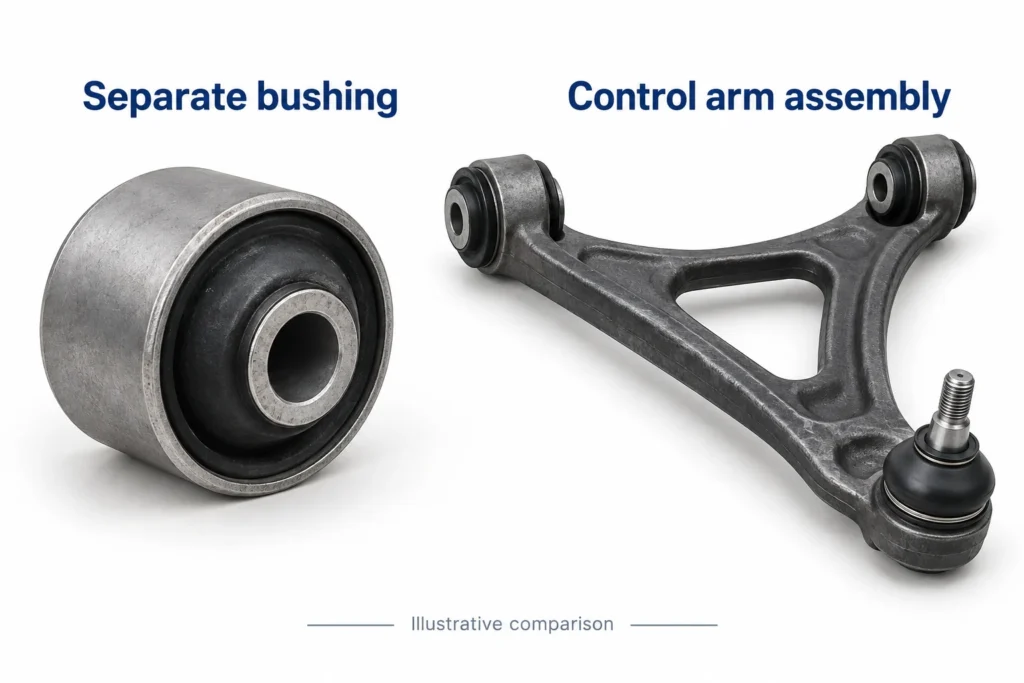
One published US reference is $321–$437 for control arm bushing replacement, including parts and labor before taxes and fees. That is the estimate displayed by RepairPal, rather than a price for replacing every bushing on a car. Your bill depends on which bushings need attention, the vehicle, the workshop and whether the repair involves individual […]
